
Review · WANAKA WATERFALL CLIMBS
Wanaka: 4-Hour Intermediate Waterfall Cable Climb
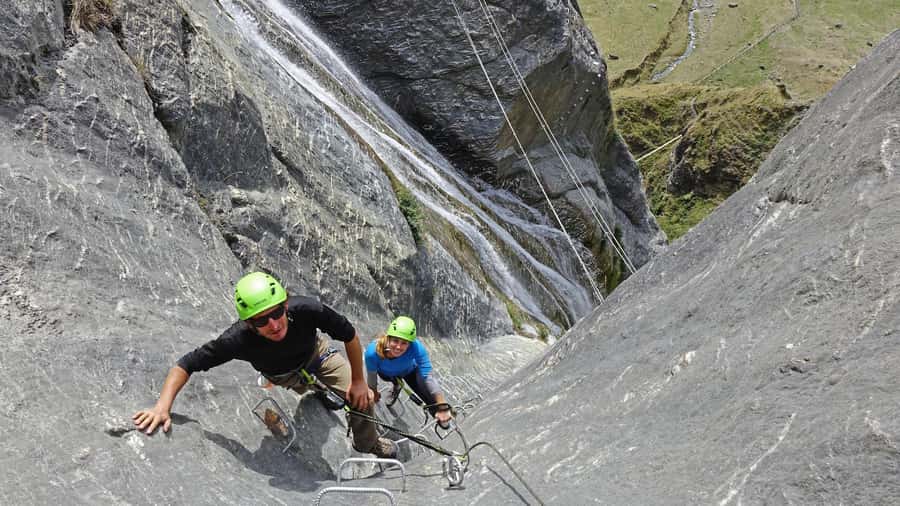
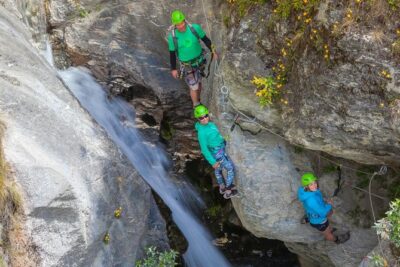
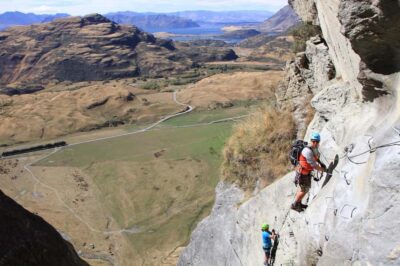
That first rung makes your legs rethink everything. This Wanaka waterfall cable climb takes you up 320m using cables, iron rungs, ladders, pegs, and suspension bridges next to Twin Falls. I love that it’s built for an intermediate level, so you get real exposure without needing advanced climbing skills.
What really sells it for me is the way the day mixes effort with payoff. You’ll pass through hidden pools and waterfalls, then finish with lunch at the base of a 60m cascade, with time to cool off in the water.
The main consideration is fear and body requirements. If heights make you panic, or you don’t have full body mobility, this climb can feel stressful instead of fun.
In This Review
- Key takeaways before you go
- Why Wanaka’s waterfall cable climb feels different
- The 4-hour intermediate route: practice to summit to descent
- Twin Falls meeting gate: how to find it without stress
- Climbing the 320m route: what you’ll feel on the wall
- Blue pools, suspension bridges, and the “photo from nowhere” moment
- Lunch at the 60m waterfall base (and the quick dip)
- Pace, group size, and why you feel looked after
- What to bring (and what to skip)
- Fitness check: who the intermediate level suits
- Price and value: is $224 per person fair for 4 hours?
- Should you book this Wanaka waterfall cable climb?
- FAQ
- How long is the intermediate waterfall cable climb?
- Do I need any climbing experience?
- How big is the group?
- Where do I meet for the tour?
- What’s included in the price?
- Is a water bottle provided?
- What should I bring?
- Who isn’t it suitable for?
- What’s the cancellation policy?
Key takeaways before you go
- World-highest waterfall cable climb on a guided route designed for intermediate climbers
- Small groups (no more than 5 per guide) so safety checks feel personal
- Practice climb first, so you learn how to move before the real vertical work
- Bridges + blue pools add the thrill element, not just wall-climbing
- Lunch at the 60m waterfall base, plus a quick swim option
- Guides like Ollie, Sarah, Tongi, and Blair have a track record of calm, safety-focused coaching
Why Wanaka’s waterfall cable climb feels different
Most active Wanaka days are about views from a trail. This one makes the view part of the climb. You’re literally working your way up the waterfall corridor, so the scenery stays close instead of far away.
What makes it stand out in a good way is the mix of tools and terrain. You’re not just “hiking up.” You’re moving along a route that uses cable systems, iron rungs, pegs, ladders, and suspension bridges. That combination creates a different rhythm to the day, with constant moments of looking down, then looking up again.
More Wildwire climbs up the Wanaka waterfall
- Wildwire Wanaka- Level 2 (4 Hours)
★ 5.0 · 467 reviews - Wildwire Wanaka- Level 1 (2 Hours)
★ 5.0 · 112 reviews - Wanaka: 2-Hour Beginner Waterfall Cable Climb
★ 4.9 · 108 reviews - Wanaka: 4-Hour Intermediate Waterfall Cable Climb
★ 5.0 · 66 reviews
The 4-hour intermediate route: practice to summit to descent
The tour runs about 4 hours, and it stays structured so you’re never guessing what’s next. Expect a safety briefing, then gear up with a helmet and harness before you start moving.
Here’s how the day typically unfolds:
- Safety briefing + practice climb at the base of Twin Falls
You get a training route first, so you learn how the system works at your pace. This is where confidence is built, not during the steep bits.
- Main intermediate climb
After you’ve got the practice down, you begin the route that climbs up 320m of vertical cliffs. Along the way, you cross over blue pools, scale rock sections, and move through sections of exposed climbing.
- Photo stop from a bridge by a big cascading waterfall
There’s a moment where the route positions you beside a huge waterfall for some real “how am I doing this” photos.
- Summit break + lunch at the base of a 60m waterfall
Once you reach the top, you relax at the base for lunch. If you want to cool off, there’s time for a quick swim.
- 45-minute descent back to the starting point
The return isn’t just a shuffle. You’ll descend for about 45 minutes back to where you started.
That structure matters for first-timers. You don’t just get thrown into vertical exposure. You learn the movement pattern, then apply it.
Twin Falls meeting gate: how to find it without stress
This activity has a very specific start point. From Wanaka town, follow the Wanaka–Mt Aspiring Road west along the lake. Drive toward Treble Cone Ski Field and Mt. Aspiring National Park.
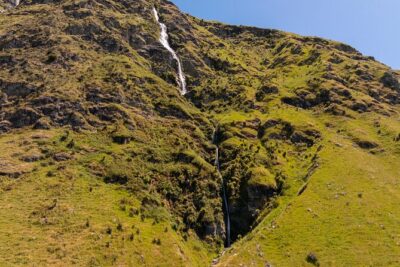
After about 20 minutes, you’ll hit a cattle stop. Pull out immediately to the left in front of two waterfalls. You should see a locked farm gate with the activity provider’s sign. Meet there.
Two practical tips:
- If you end up at the ski field road or a gravel road, you’ve gone too far.
- Have a moment to slow down and look for the gate. It’s easy to miss if you’re focused on the road.
Climbing the 320m route: what you’ll feel on the wall
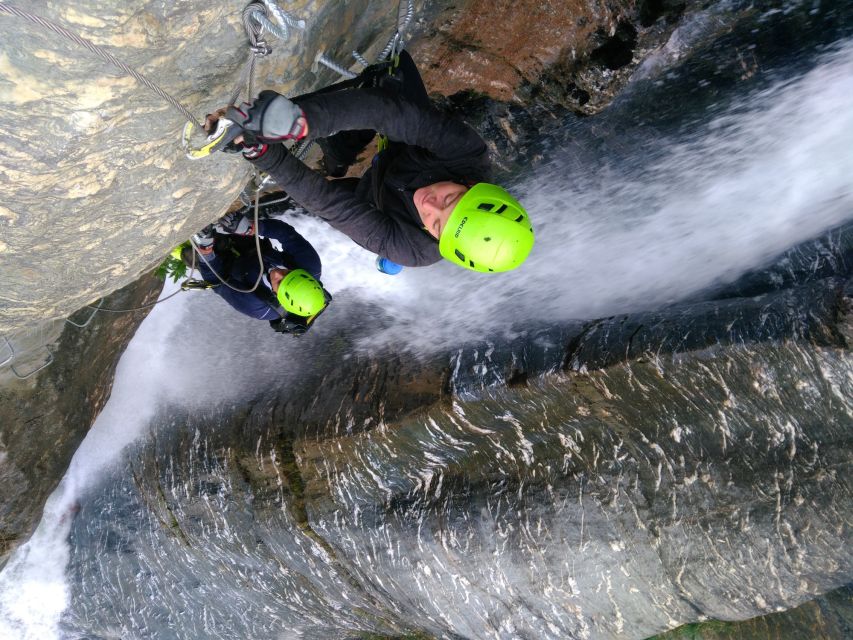
The intermediate climb is designed for people with moderate fitness and the ability to move fully through the harness system. You don’t need prior climbing experience, but you do need to handle constant small tasks while exposed.
On the wall, you’ll use a mix of holds and movement aids:
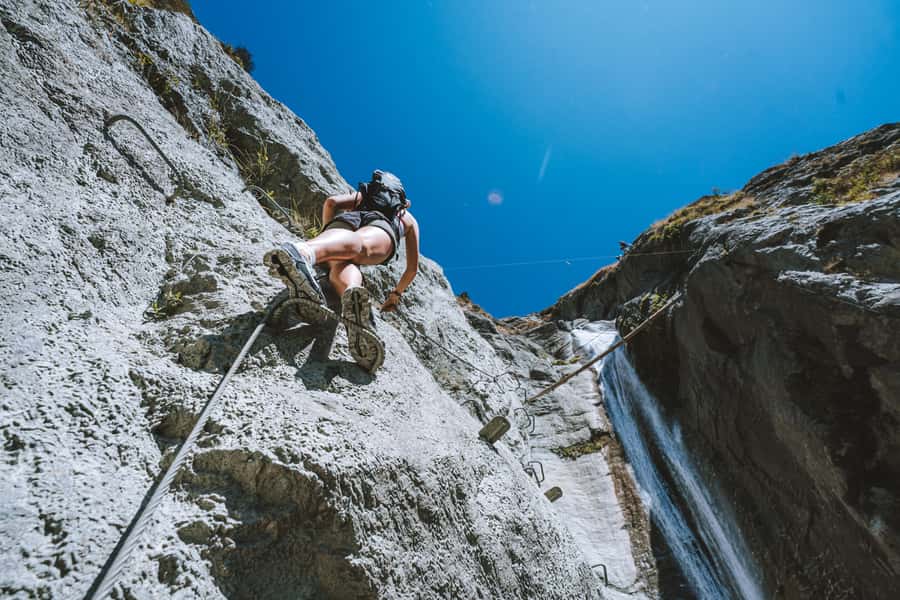
- Iron rungs and pegs for progress
- Cables to stay secured through the route
- Ladders in sections where the angle changes
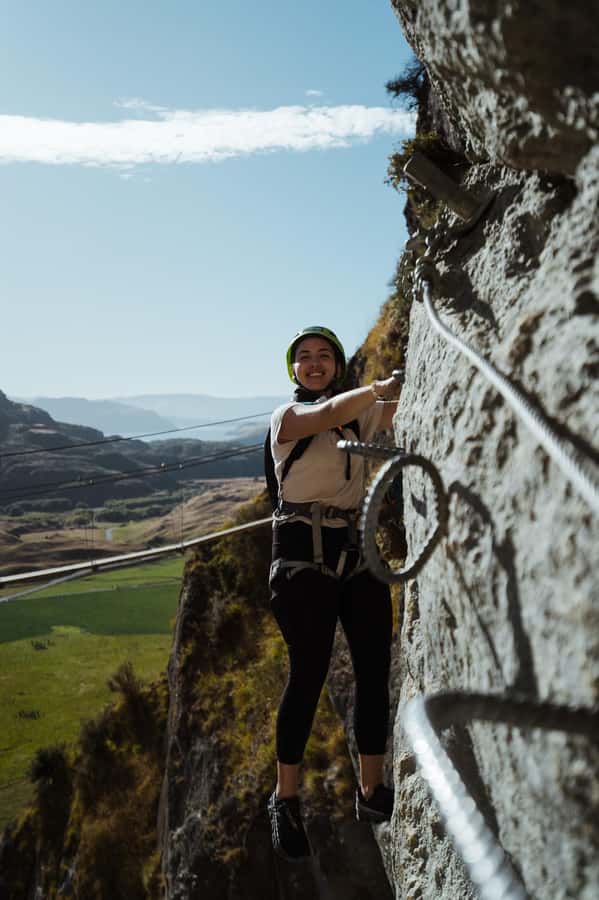
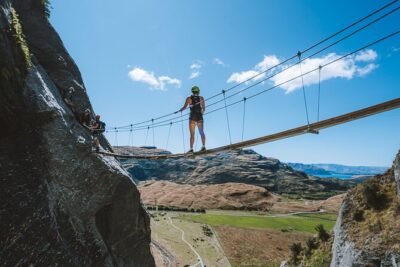
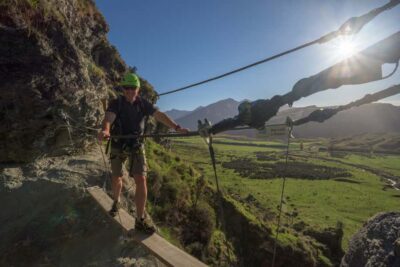
- Suspension bridges where the sensation becomes more about balance and height
Because you’re attached to a climbing system all the time, you’ll also feel a mental shift. The goal isn’t to race. It’s to stay methodical, stay clipped in, and follow your guide’s timing.
One note on safety vibe: the climbing is thrilling, but the guides are repeatedly described as safety-first and encouraging. Guides such as Ollie, Sarah, Ryan, Brandon, and Nolan show up in the stories people share, and the common thread is calm coaching when your nerves catch up with your body.
Blue pools, suspension bridges, and the “photo from nowhere” moment
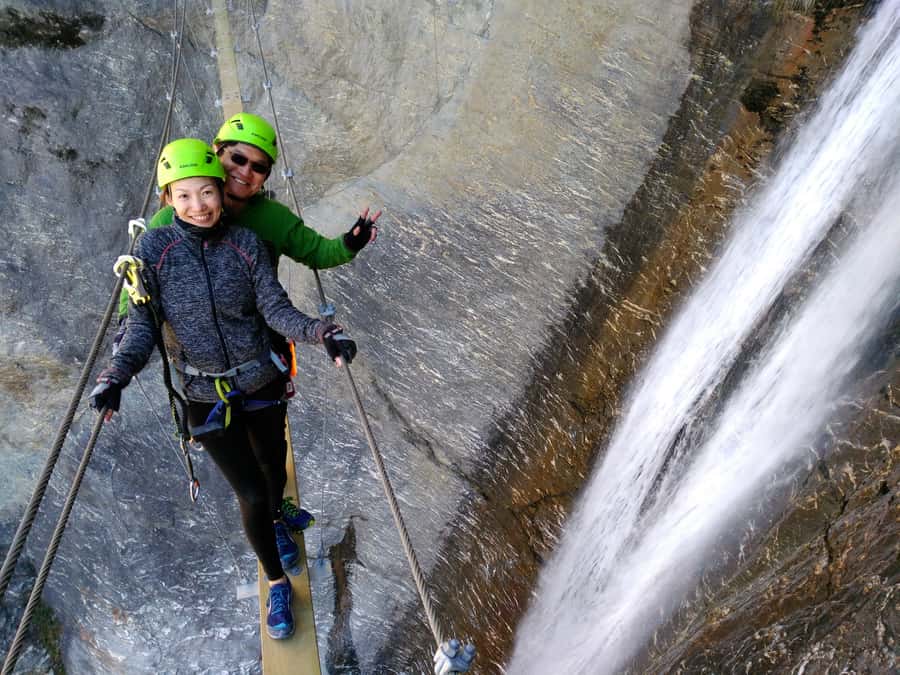
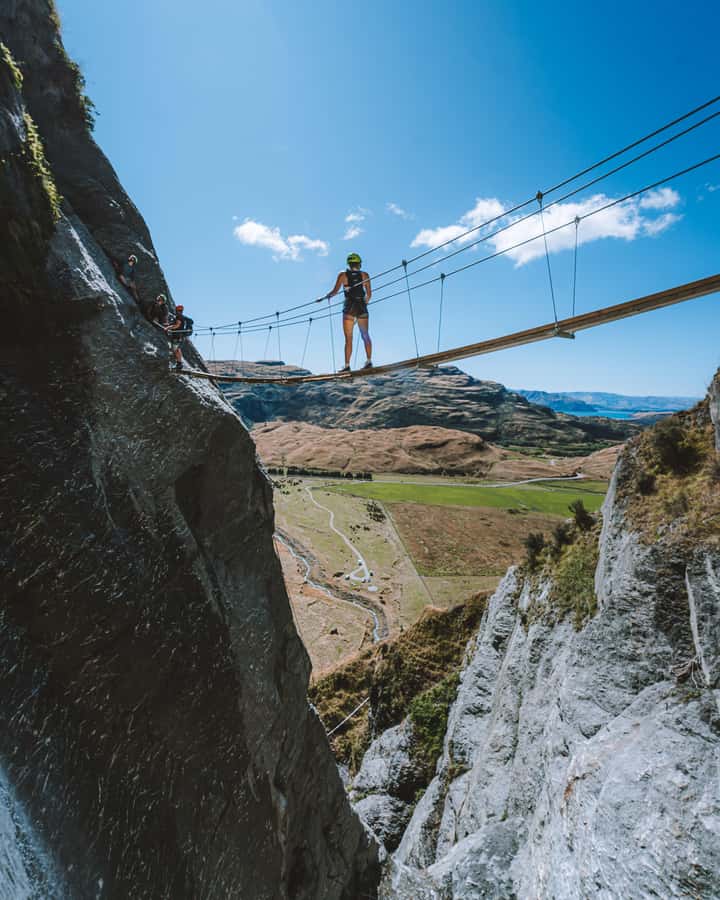
If you’re coming for adrenaline, the bridges are part of that. The route includes suspension bridge crossings, and you’ll also cross over blue pools as you climb.
This is where your brain gets loud. You’ll look down and realize you’re not imagining the height. If you can handle heights by breathing and focusing on the next step, it feels incredible. If you freeze with panic, it can feel like work instead of adventure.
There’s also a standout photo moment. You stop on a bridge next to a huge cascading waterfall, which means you’re not just taking a picture with a waterfall in the background. You’re positioned right beside it, with the water and rock creating a dramatic backdrop.
Lunch at the 60m waterfall base (and the quick dip)
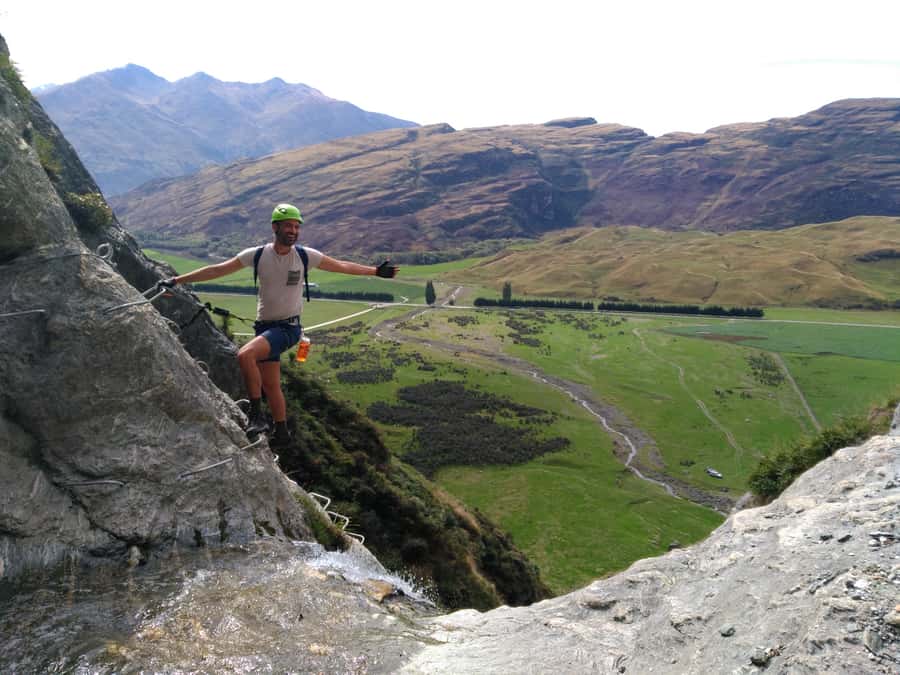
The summit isn’t just a turnaround point. You get lunch time at the base of the 60m waterfall, and that matters more than it sounds.
After hours of moving your legs and bracing yourself on the wall, sitting down changes the whole experience. You can eat, catch your breath, and reset for the descent.
Lunch is included, and it’s simple but satisfying after that kind of effort. You may also get a chance for a quick swim. If you like feeling cold-water clean afterward, this is one of those moments that makes the whole day feel complete.
Pace, group size, and why you feel looked after
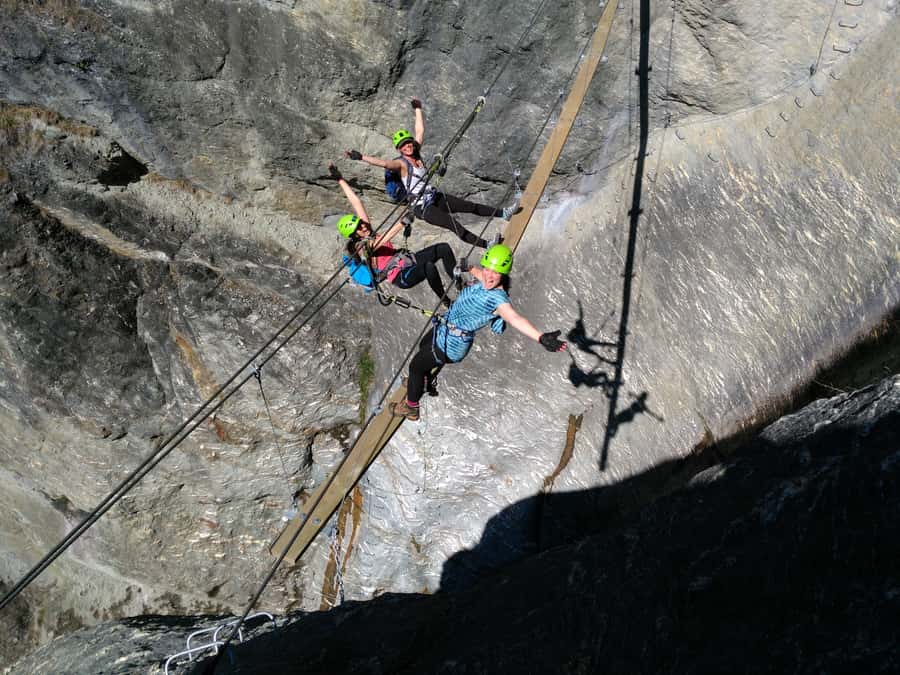
You’ll be in an intimate group: no more than 5 people per guide. That small size can be a big deal. It keeps the day from turning into a big conveyor belt where you’re waiting your turn.
A smaller group also means the guide can watch your body position, where you place your feet, and how you manage exposure. People consistently describe feeling secure the whole time, and they credit the guide style for that.
Another practical upside: when you pause, you’re not stuck watching strangers. You’re in the flow with your group, and your guide can talk you through what to do next.
What to bring (and what to skip)
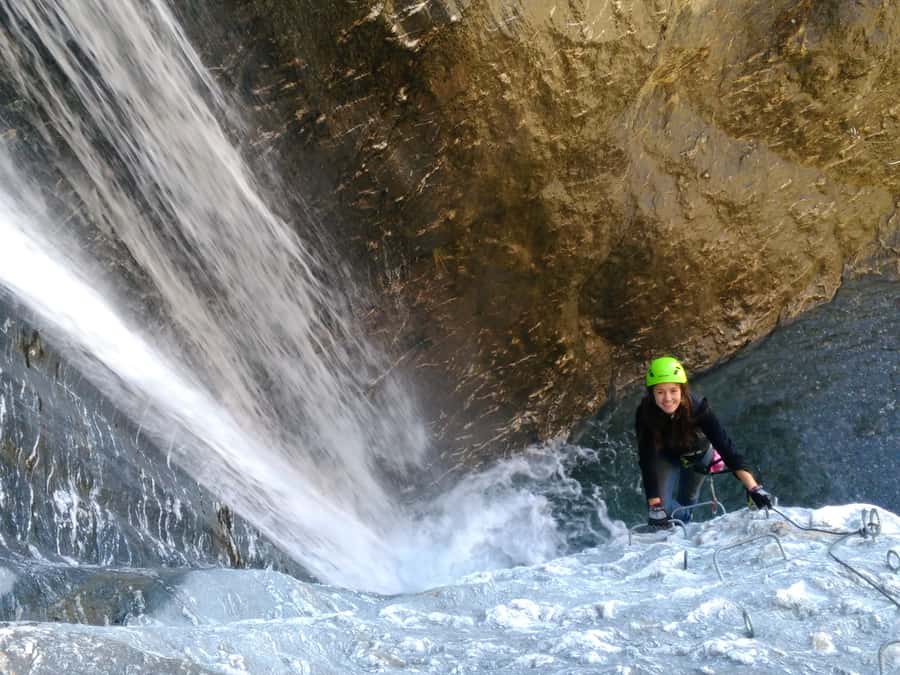
You’ll be provided climbing safety equipment and you’ll get training at the start. Still, your personal gear matters because the day includes both climbing and some walking.
Bring:
- Comfortable shoes (and consider hiking shoes for grip)
- Swimwear (if you want to take the quick dip)
- Weather-appropriate clothing for South Island conditions
- Outdoor layers you can move in
Don’t count on a few extras:
- Water bottle is not included, so bring one.
- There’s storage at the base, so you can leave items you don’t need during the climb.
- A camera is allowed, but at your own risk. If you use a GoPro, attaching it to your person is recommended.
If you’re the type who sweats under a harness, plan on it. Even if the weather is mild, the effort is real.
Fitness check: who the intermediate level suits
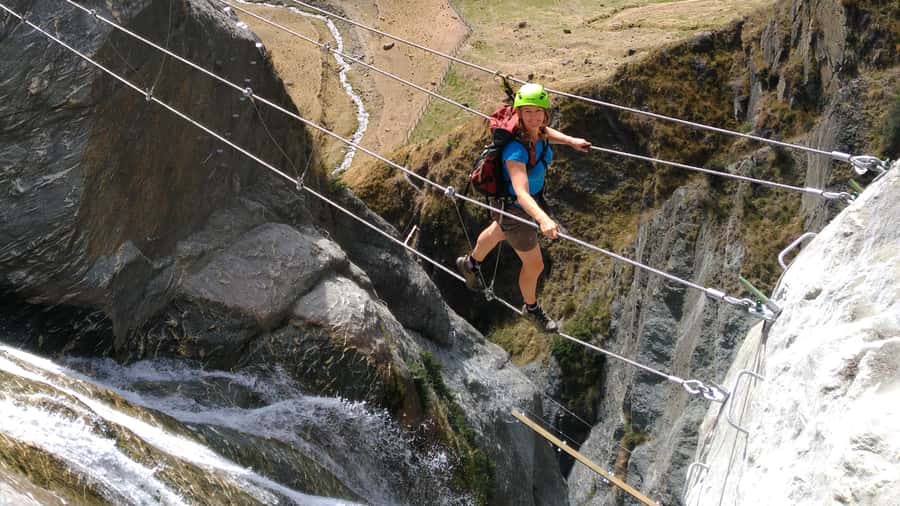
This is not a casual stroll. The route requires a combination of hiking, rock climbing, and walking, and you should have moderate fitness for the 4-hour flow.
It’s also not just about fitness. Your body needs to work smoothly in the harness system. The tour requires full body mobility.
It is also not suitable for:
- Children under 10
- Pregnant women
- People under 88 lbs (40 kg)
On the positive side, you don’t need climbing experience. Guides assist you through the route, and the practice climb helps you get comfortable with the system before the main sections.
Price and value: is $224 per person fair for 4 hours?
At $224 per person for about 4 hours, you’re paying for more than just access to a climb. You’re buying the full package: expert guide, safety briefing, climbing safety equipment, lunch, and an introductory training climb.
You’re also paying for the experience setup that makes this practical in the first place: a route that uses specialized equipment and infrastructure (cables, rungs, bridges, ladders), plus ongoing supervision with a small group size. That level of guided support can be the difference between a memorable day and a stressful one.
If you compare it to cheaper “outdoor activities” that only deliver scenic views, the value shifts. This is a hands-on, secured, instructor-led adrenaline experience with a built-in meal. For Wanaka, it’s the kind of activity that you remember because you did something physical, not just because you stood somewhere pretty.
Should you book this Wanaka waterfall cable climb?
Book it if:
- You want a high-impact experience in Wanaka that’s more active than a hike
- You can handle heights as long as you stay calm and methodical
- You’re willing to focus on safety steps and move at a guided pace
- You want lunch included and like the idea of a summit rest by a big waterfall
Skip it (or think twice) if:
- You know you can’t regulate panic around exposure and heights
- You don’t meet the mobility or weight requirements
- You’re looking for something gentle, because even the intermediate level includes vertical sections and bridges
If you want a reason people keep recommending it, it’s simple: you get real adrenaline with guided structure. The route is challenging, but the day is built to teach you how to do it safely, then let you enjoy the climb.
FAQ
How long is the intermediate waterfall cable climb?
It’s about 4 hours total.
Do I need any climbing experience?
No. You do not need prior climbing experience, and guides assist you. You’ll also do a practice training climb at the base before the main route.
How big is the group?
The group is kept small, with no more than 5 people per guide.
Where do I meet for the tour?
Meet at a locked farm gate in front of two waterfalls. From Wanaka, drive west on the Wanaka–Mt Aspiring Road toward Treble Cone Ski Field and Mt. Aspiring National Park. After about 20 minutes there’s a cattle stop; pull out immediately left in front of the waterfalls.
What’s included in the price?
Included are an expert guide, lunch, climbing safety equipment and briefing, and an introductory training climb.
Is a water bottle provided?
No. A water bottle is not included.
What should I bring?
Bring comfortable shoes (hiking shoes help), swimwear, weather-appropriate clothing, and outdoor clothing. There is storage at the base for items you don’t need.
Who isn’t it suitable for?
It’s not suitable for children under 10, pregnant women, and people under 88 lbs (40 kg). Participants must also have full body mobility.
What’s the cancellation policy?
You can cancel up to 24 hours in advance for a full refund.
Higher Up the Wanaka Falls
- Wildwire Wanaka- Level 2 (4 Hours)★ 5.0 · 467 reviews
- Wildwire Wanaka- Level 1 (2 Hours)★ 5.0 · 112 reviews
- Wanaka: 2-Hour Beginner Waterfall Cable Climb★ 4.9 · 108 reviews
- Wanaka: Waterfall Climb and Canyon Tour★ 5.0 · 6 reviews
Fresh on the Queenstown pages

Wanaka Waterfall Climbs, compared.
 ★ 5.0Wildwire Wanaka- Level 2 (4 Hours)From $232467 reviews
 ★ 5.0Wildwire Wanaka- Level 1 (2 Hours)From $126112 reviews
 ★ 4.9Wanaka: 2-Hour Beginner Waterfall Cable ClimbFrom $118108 reviews
 ★ 5.0Wanaka: Waterfall Climb and Canyon TourFrom $1966 reviews
 ★ 5.0Wildwire Wanaka- Climb & Canyon (4-5 Hours)From $2044 reviews
 ★ 5.0Wanaka: 6-hour Advanced Waterfall Cable ClimbFrom $4484 reviews
Browse the lists this tour appears in