
Review · WANAKA WATERFALL CLIMBS
Wanaka: 6-hour Advanced Waterfall Cable Climb
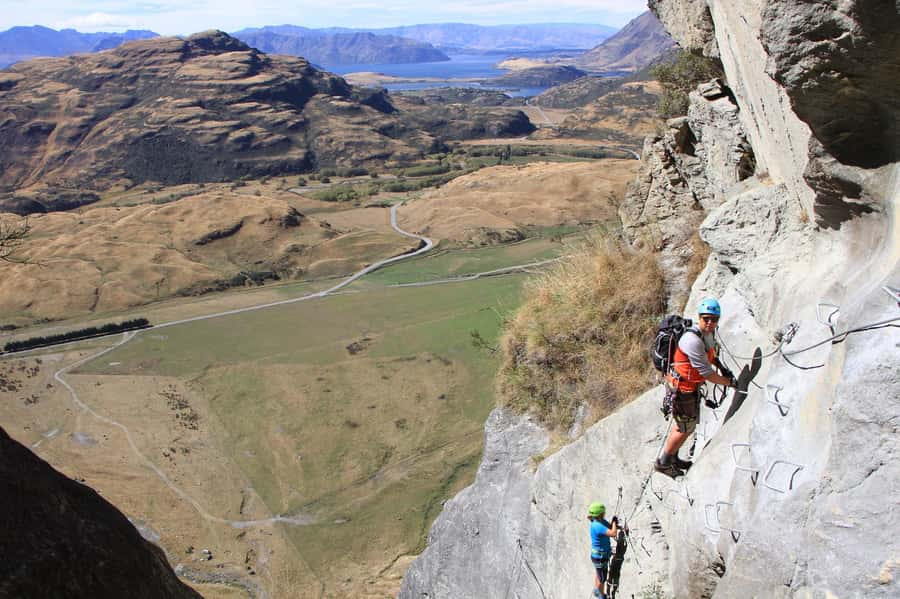
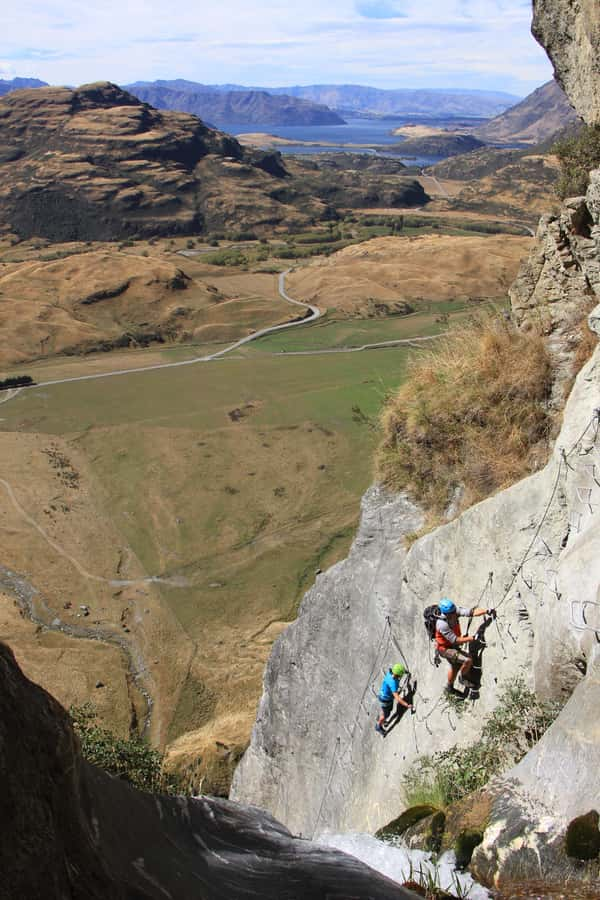
Cable-climbing a waterfall feels like a movie plot. This 6-hour advanced adventure in Wanaka takes you up the highest waterfall cable climb in the world, with moments that put you right into the rock-and-water action. You’ll climb all the way to the top, go behind a 60m waterfall, and then end with a helicopter ride down.
What I really like is the mix of big views and real vertical work. You get farmland, mountain, and lake scenery as you ascend, plus stops that include hidden pools and waterfalls you wouldn’t spot from the trail. And the finish is memorable: that helicopter back down isn’t just a transfer, it’s part of the point of the day.
One thing to consider: this is not a casual outing. It’s an advanced route (Lord of the Rungs Full) meant for fit adventure seekers with a serious head for heights, so you’ll want to be honest about comfort and your physical limits before booking.
In This Review
- Key highlights you’ll feel in your body
- Entering Wanaka’s most vertical kind of day
- Lord of the Rungs Full: what “advanced” actually means
- Getting to Twin Falls and the pre-climb briefing
- The introductory training climb: why it’s built in
- On the climb: cable, bridges, cliffwork, and waterfall power
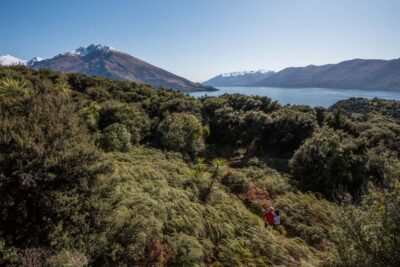
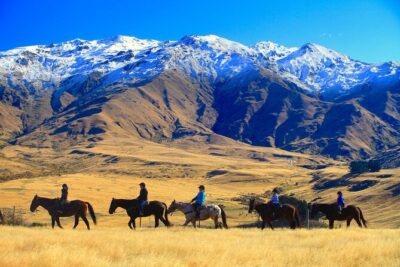
- The view breaks: farmland, mountains, and lakes from the route
- Suspension bridges and the head-for-heights factor
- Lunch and safety gear: small details that make the day work
- The helicopter ride down: worth paying attention to
- Price and value: $448 for an advanced, technical day
- Who should book this climb, and who should skip
- What it’s like in real life: guide support that changes everything
- Should you book the Wanaka Advanced Waterfall Cable Climb?
- FAQ
- Where is the meeting point for this tour?
- How long is the Wanaka waterfall cable climb tour?
- Is the guide included, and is there instruction?
- What’s included in the price?
- What should I bring?
- Are open-toed shoes allowed?
- Are alcohol or drugs allowed?
- Who isn’t suitable for this advanced climb?
- Can I cancel for a full refund?
Key highlights you’ll feel in your body
- You climb the entire waterfall to the very top, not a short scenic segment
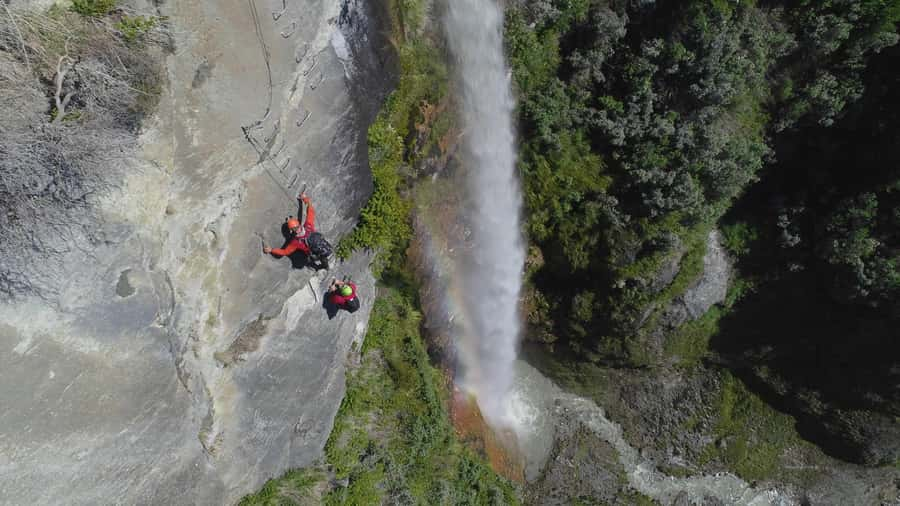
- Behind a 60m waterfall, where the sound and spray make everything feel more intense
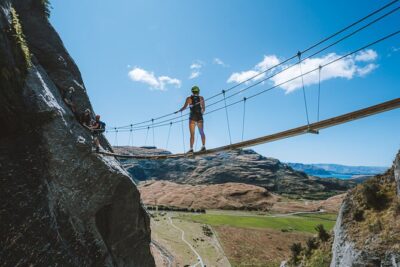
- A 2-wire bridge and suspension-bridge crossings, so expect balance work at height
- An airy overhang section, which is where the route earns its advanced label
- Lunch and safety gear are included, plus training so you’re not guessing your way up
- Helicopter ride down, turning the finish into a wow moment rather than a slog
Entering Wanaka’s most vertical kind of day
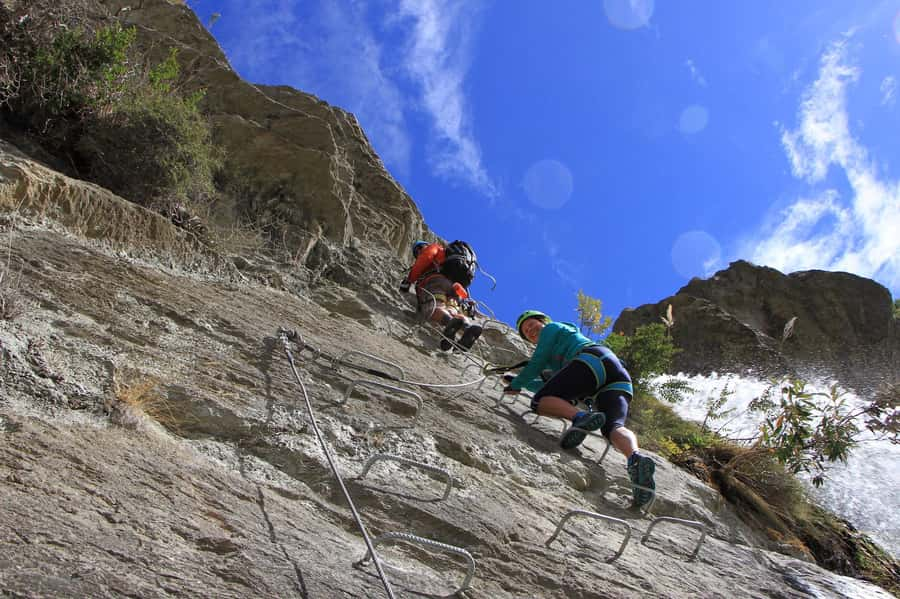
Wanaka is already pretty dramatic from the road. But this experience puts you on the other side of the scenery—right on the cliffline, working upward through waterfall country. The day is built around one core idea: go beyond looking at waterfalls and actually climb them.
You’ll start at Twin Falls (the two big waterfalls) just before the Treble Cone Ski Field area. From there, you drive into the approach with your guide, then shift into climbing mode with a briefing and all the safety setup you need. Expect a full-on 6-hour commitment where the time feels purposeful: learn, climb, and finish strongly.
And yes, the tour’s claim is real in spirit. This is the highest waterfall cable climb in the world, which matters because you’re not doing a brief sample. You’re doing the whole thing—steady progress for hours, with several “this is the part I’ll remember” moments.
More Wildwire climbs up the Wanaka waterfall
- Wildwire Wanaka- Level 2 (4 Hours)
★ 5.0 · 467 reviews - Wildwire Wanaka- Level 1 (2 Hours)
★ 5.0 · 112 reviews - Wanaka: 2-Hour Beginner Waterfall Cable Climb
★ 4.9 · 108 reviews - Wanaka: 4-Hour Intermediate Waterfall Cable Climb
★ 5.0 · 66 reviews
Lord of the Rungs Full: what “advanced” actually means
This isn’t described as an entry-level climb, and the route name says it all: Lord of the Rungs Full. You’re climbing the entire waterfall and dealing with sections that demand comfort at height and confident movement.
Along the way, you’ll cross a 2-wire bridge, and the route includes a section where you’ll go behind a 60m waterfall. That’s one of those details that sounds cool until you realize what it implies: wet rock, low visibility at times, and the need to stay calm when everything feels loud and fast around you.
You’ll also climb through an airy overhang, which tends to be the moment where advanced climbers notice how much this route challenges balance and focus. Add the suspension bridge crossings mentioned as part of the overall climb, and you get a day that’s both physical and mental. If heights bother you, be careful. If you’re excited by heights and you’ve trained for similar terrain, you’ll likely feel right at home.
Getting to Twin Falls and the pre-climb briefing
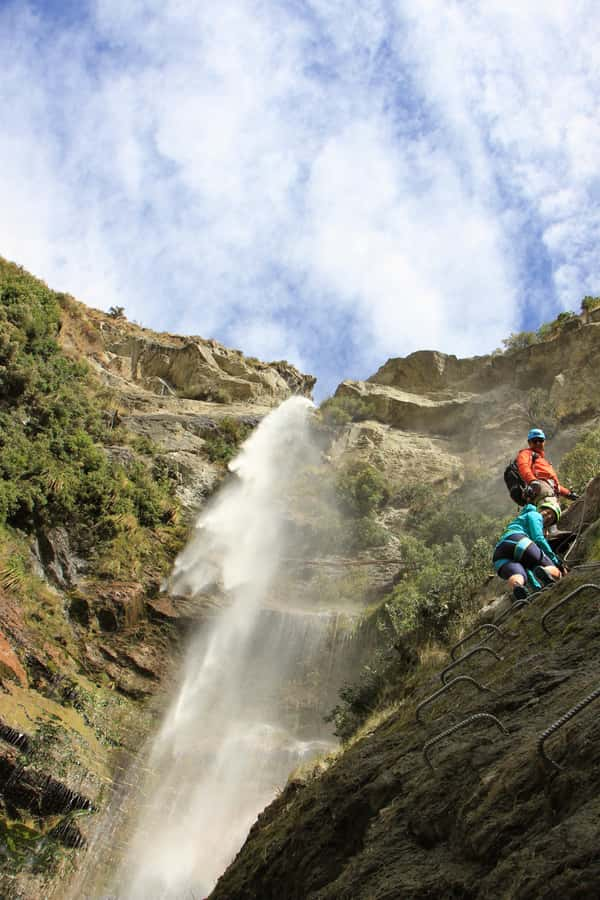
Your meeting point is very specific: Twin Falls, before the Treble Cone Ski Field. That’s helpful because you can plan your day with one clear target, not a vague “near Wanaka” drop-off.
Before you start the real climbing, the operation teaches you everything you need to know. That matters because waterfall cable climbs aren’t just “follow the rope.” You’ll need to understand how to move safely on the route you’re about to take, how to handle the changing conditions, and what your guide expects from you.
This is also where your day turns from scenic to technical. You’re supported by a guide the whole time, and you’re given climbing safety equipment and a briefing. If you’ve ever done an adventure that felt like you were learning while already committed, you’ll appreciate how this one builds in instruction early.
The introductory training climb: why it’s built in
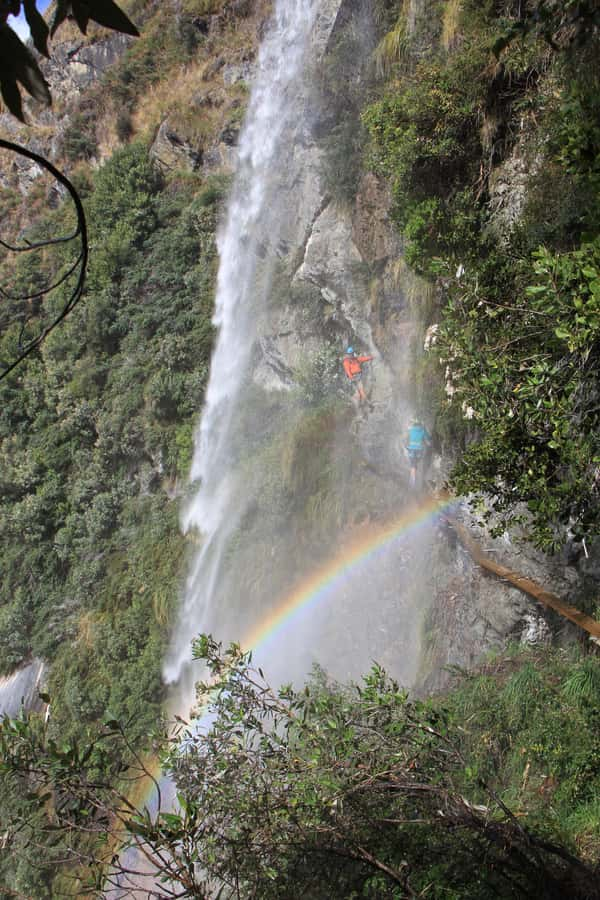
Included in the tour is an introductory training climb. It’s a small step before the full commitment, and that’s the right design for an advanced climb like this.
Training like this usually gives you two big wins. First, you learn your basic movement rhythm before the route gets intense. Second, you start building trust in the system—your gear, your guide’s directions, and how your body behaves on exposed sections.
You’ll also have lunch included, so you’re not racing the clock while hungry. For an active 6-hour day, the ability to refuel without searching for food mid-adventure is real value.
On the climb: cable, bridges, cliffwork, and waterfall power
Now the main event. The day is all about upward movement through cliff terrain and waterfall zones, where every section has a different “feel.”
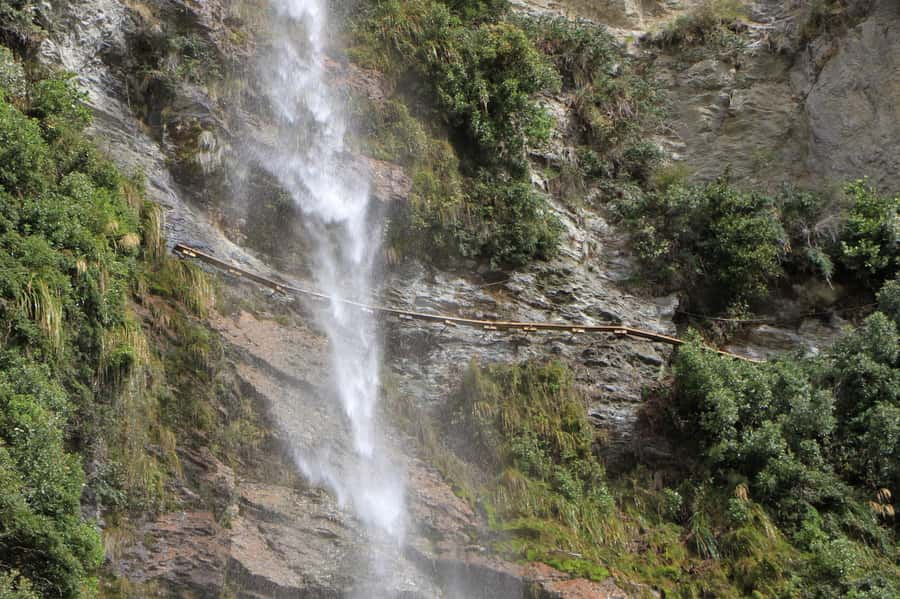
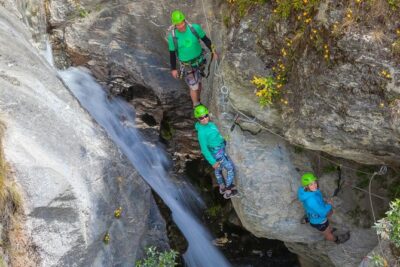
You’ll ascend into hidden pools and beautiful waterfalls as you climb. That’s not just scenic filler. Water is part of the terrain challenge here—slick surfaces, changing sound levels, and the sense that you’re moving through a living feature, not a static backdrop.
Then you reach the high-impact moments:
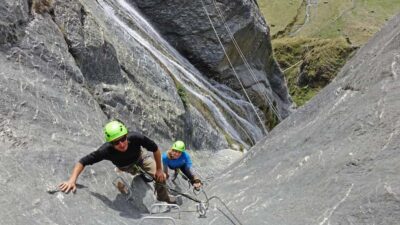
- Crossing the 2-wire bridge: This is where balance becomes the work. Expect to move carefully and keep your attention on your footing and the line you’re using.
- Going behind a 60m waterfall: This is the “how is this possible” part. You’ll experience the waterfall up close, and the climb becomes more immersive in the literal sense—water, noise, and spray.
- Scaling and moving through an airy overhang: This is where mental steadiness matters as much as strength. If you tend to rush when you feel exposed, slow down here. Your guide’s instructions will matter.
It’s worth noting what’s not implied: you’re not just hauling yourself up while staring at the view. This is a protected climbing day where technique and safety discipline are key. And because it’s an advanced route, you’ll likely spend time thinking about what you’re doing, not just how hard it feels.
The view breaks: farmland, mountains, and lakes from the route
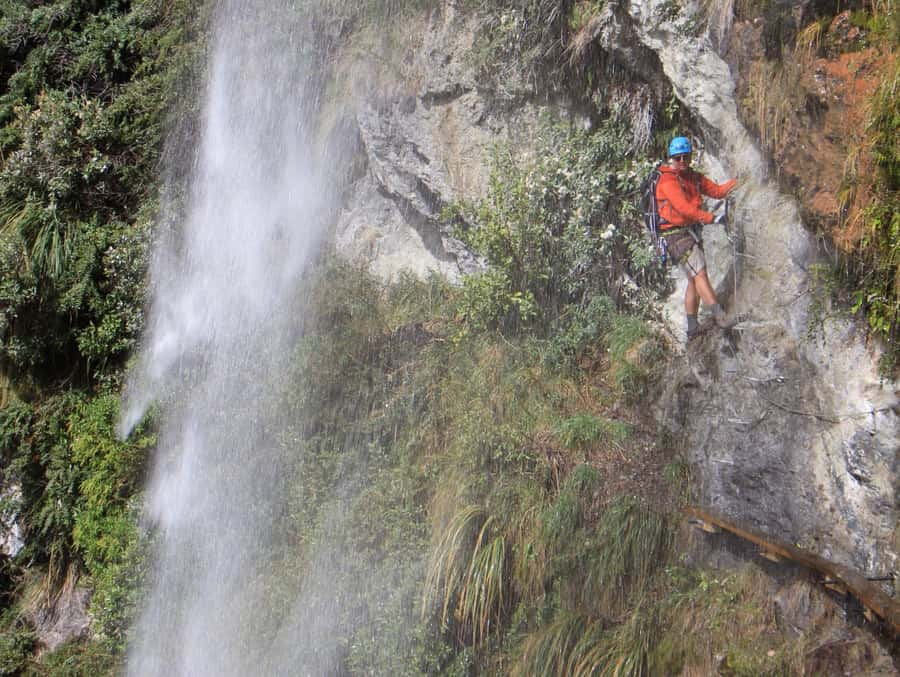
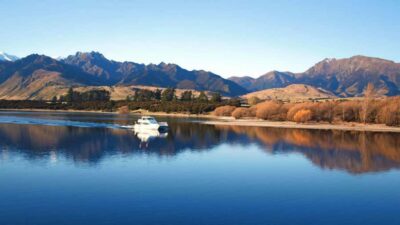
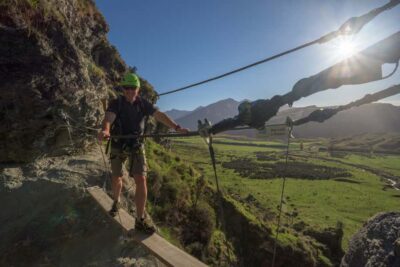
Even in a tough climb, you’ll get moments where you can look out. The tour specifically highlights views of farmland, mountains, and lakes around Wanaka as you ascend.
That matters more than you might think. Vertical adventure can become one long focus test. But seeing the broader scene helps you reset your brain between technical sections. It also turns the climb into a two-layer experience: physical work up close, and big New Zealand scenery at a wider scale.
If you’re someone who plans trips around both adrenaline and photos, this is one of the better combinations in the area. You’re not choosing between thrills and scenery—you get both, tied directly into the climbing path.
Suspension bridges and the head-for-heights factor
One of the tour highlights calls out thrills like crossing suspension bridges and scaling cliffs. Those details are exactly why this is for experienced adventurers rather than casual hikers.
If you’ve never done exposed crossings, suspension bridge segments can feel more intimidating than sheer vertical height. They ask for calm movement, not fear-flailing. The good news is you’ll be guided and supported the whole trip, which reduces the “what now?” stress.
Still, the route label is clear: it’s meant for fit people with a strong head for heights. If you’re the type who freezes when you look down, treat that as a signal. This isn’t the day to test yourself.
Lunch and safety gear: small details that make the day work
This tour includes lunch plus climbing safety equipment and briefing. That’s a strong baseline because it means you’re not cobbling together gear or trying to guess what’s required.
Lunch inclusion is especially practical on a 6-hour climb. You’re burning energy and staying focused for hours, so having food provided is part of why the experience is structured the way it is.
They also instruct what you should bring: hiking shoes, water, and outdoor clothing. Climbing footwear matters here. The tour also says open-toed shoes aren’t allowed, so plan for secure foot support.
One more note: water bottle is not included. That’s easy to overlook when you see lunch and gear listed as included. Bring water, and bring the amount that makes sense for you.
The helicopter ride down: worth paying attention to
Most adventure days end with a long, tired return. This one ends with a helicopter ride back down. That changes the emotional ending of the day.
It also fits the route design. When you finish a full climb, you’re not just done physically—you’re mentally done too. The helicopter turns the final phase into a “release” moment, not another session of climbing effort.
There’s also mention of the ride back being the best taxi-ride in Wanaka, which is funny but also telling. You’re basically buying time and energy back at the end. For a 6-hour schedule, that can be the difference between feeling satisfied and feeling wrecked.
Price and value: $448 for an advanced, technical day
At $448 per person for a 6-hour tour, this isn’t budget-adventure pricing. But you are paying for a lot of components that would cost extra separately:
- Instruction and an expert guide
- Climbing safety equipment and a proper briefing
- A built-in introductory training climb
- Lunch
- And the big one: helicopter ride down
If you’ve priced advanced guiding before, you know the helicopter is the kind of add-on that can quickly make an already-technical day expensive. Here, it’s included and tied directly to the experience payoff. That’s where the value comes from: not just “a fun activity,” but a full advanced program with support, gear, and a high-status finish.
So my take on value is simple: this price makes sense if you’re actually ready for the advanced climb and you want the whole package. If you’re hoping for something casual or mostly scenic, you may feel it’s overpriced for what you end up doing.
Who should book this climb, and who should skip
This tour is not for everyone, and that’s a good thing. It helps keep the day safe and focused on the right people.
It’s suitable for fit adventure seekers with a great head for heights. It’s also described as suitable for those who are experienced with climbing-type movement and want a full vertical day.
It’s not suitable for:
- Children under 15
- Pregnant women
- People with heart problems
- People under 40 kg (88 lbs)
There are also weight considerations: anyone over 100 kg must call before booking. That’s not a small detail. If you’re near that range, plan ahead so you don’t run into issues later.
And of course, follow the safety restrictions: alcohol and drugs are not allowed, and open-toed shoes aren’t allowed. These rules keep the day consistent and reduce risk on wet, exposed terrain.
What it’s like in real life: guide support that changes everything
The highlight from one verified booking mentions the guide Jasper and focuses on how helpful he was and how he ensured the guest had a safe and fun time. That’s exactly what you want in an advanced climbing setting.
On a route with bridges, waterfall sections, and an overhang, your comfort level can swing fast. A guide who knows how to set expectations, explain movement, and keep you calm makes a bigger difference than most people think when they’re deciding what to book.
So if you’re choosing between different adventure operators in the region, this is one of the deciding factors I’d prioritize: not just the thrill level, but the quality of the human support.
Should you book the Wanaka Advanced Waterfall Cable Climb?
Book it if you want a true advanced waterfall climb, you’re comfortable with exposure, and you want the full experience—cable climbing, waterfall sections, and that helicopter finish. This is the kind of activity that feels like it belongs in New Zealand’s “do one wild thing” bucket, except this one is technical and structured, not random and improvised.
Skip or consider a different option if heights make you tense, you don’t have climbing comfort, or your health limits mean you shouldn’t be on exposed terrain. Also, be realistic about the gear and footwear you’ll bring. Secure hiking shoes and outdoor clothing are part of the deal.
If you meet the requirements and you’re ready for a serious 6-hour commitment, this is one of those Wanaka activities that’s easy to recommend: advanced, scenic, and finished with a payoff that most climbing days can’t match.
FAQ
Where is the meeting point for this tour?
The meeting point is Twin Falls (the two big waterfalls), before the Treble Cone Ski field.
How long is the Wanaka waterfall cable climb tour?
The duration is 6 hours.
Is the guide included, and is there instruction?
Yes. You get an expert guide, a climbing safety equipment briefing, and an introductory training climb.
What’s included in the price?
Included: expert guide, lunch, climbing safety equipment and briefing, introductory training climb, and a helicopter ride.
What should I bring?
Bring hiking shoes, water, and outdoor clothing.
Are open-toed shoes allowed?
No. Open-toed shoes are not allowed.
Are alcohol or drugs allowed?
No. Alcohol and drugs are not allowed.
Who isn’t suitable for this advanced climb?
It isn’t suitable for children under 15, pregnant women, people with heart problems, or people under 40 kg (88 lbs).
Can I cancel for a full refund?
Yes. You can cancel up to 24 hours in advance for a full refund.
Higher Up the Wanaka Falls
- Wildwire Wanaka- Level 2 (4 Hours)★ 5.0 · 467 reviews
- Wildwire Wanaka- Level 1 (2 Hours)★ 5.0 · 112 reviews
- Wanaka: 2-Hour Beginner Waterfall Cable Climb★ 4.9 · 108 reviews
- Wanaka: 4-Hour Intermediate Waterfall Cable Climb★ 5.0 · 66 reviews
Fresh on the Queenstown pages

Wanaka Waterfall Climbs, compared.
 ★ 5.0Wildwire Wanaka- Level 2 (4 Hours)From $232467 reviews
 ★ 5.0Wildwire Wanaka- Level 1 (2 Hours)From $126112 reviews
 ★ 4.9Wanaka: 2-Hour Beginner Waterfall Cable ClimbFrom $118108 reviews
 ★ 5.0Wanaka: 4-Hour Intermediate Waterfall Cable ClimbFrom $22466 reviews
 ★ 5.0Wanaka: Waterfall Climb and Canyon TourFrom $1966 reviews
 ★ 5.0Wildwire Wanaka- Climb & Canyon (4-5 Hours)From $2044 reviews
Browse the lists this tour appears in