
Review · CYCLING & BIKE TRAILS
Bike the Wanaka and Hawea Trails
Rain or shine, these trails make Wanaka easier. You get a shuttle to Hawea, an e-bike or regular bike package, and a route that follows water and countryside between Lakes Hawea and Wānaka (with Albert Town on the way). What I like most is the e-bike assist that turns hills into a manageable glide, and the fact that the ride builds in a great mid-route food stop at Albert Town.
The main consideration is that this isn’t smooth asphalt. Parts are gravel and can feel bumpy or narrow in spots, so beginners should ride slow and be ready for a bit of effort even on an e-bike.
In This Review
- Highlights You’ll Feel in Your Legs and Camera Roll
- First, The Setup: What This Bike Rental Actually Does for You
- Shuttle to Hawea and That Seat-Height Test You’ll Thank Yourself For
- The Core Ride: Hawea to Wānaka via Rivers, Albert Town, and the Scenic Parts
- What the ride feels like
- How long and how far?
- A heads-up on difficulty
- Albert Town Break: Pembroke Patisserie and Why It’s Worth Timing Your Ride
- E-Bikes on This Route: When Assist Is a Smart Choice
- Who e-bikes fit best
- Regular Bikes: Fine if You’re Comfortable, Tough if You’re Not
- Navigation and Pace: Self-Guided Freedom With Real-Life Attention
- Gear: The Helmet, Rear Trunk Bag, and Flats Kit You Actually Need
- Weather Reality: Rain Adds Fun, But Also Caution
- Price and Value: Is $80.67 Worth It?
- Who This Tour Suits Best
- Should You Book Bike the Wānaka and Hawea Trails?
- FAQ
- How long is the bike ride?
- Where do I meet for the start?
- Do I get a shuttle back after riding?
- What’s included in the bike package?
- Do I need rider insurance?
- Are the e-bikes suitable for kids?
- Is the ride self-guided?
- How many people are in a group?
- What weather is required?
Highlights You’ll Feel in Your Legs and Camera Roll
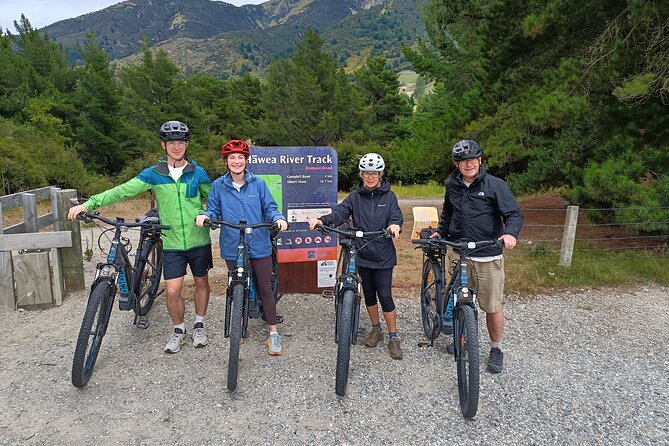
- E-bike assist makes the terrain doable, even if you’re not a hardcore cyclist
- A guided start plus self-guided freedom, so you can set your own pace
- Riverside and lakeside riding along the Hawea and Clutha rivers with big views
- Albert Town stop at an award-winning patisserie for a proper snack break
- Small group size (up to 11) keeps the briefing practical
- Gear included: helmet, lock, pump, puncture kit, and a rear trunk bag (no rucksack needed)
First, The Setup: What This Bike Rental Actually Does for You
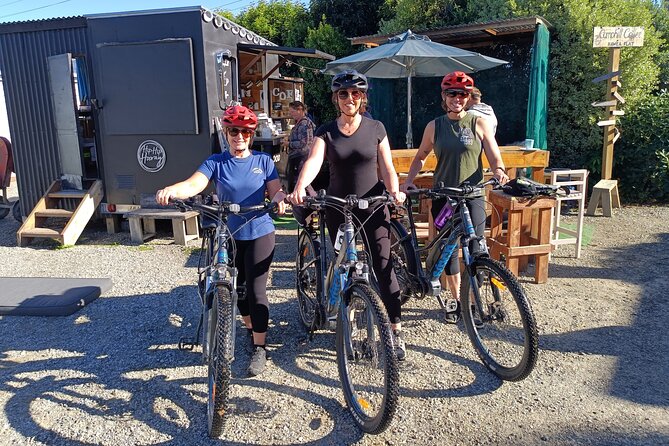
This is a bike-hire day that’s built to reduce friction. Instead of wrestling with logistics (parking, finding a shop, getting to the trailhead), you meet at the Wanaka i-Site area and then get transferred north to Hawea by shuttle. That matters because it keeps your riding time on the trails, not in transit.
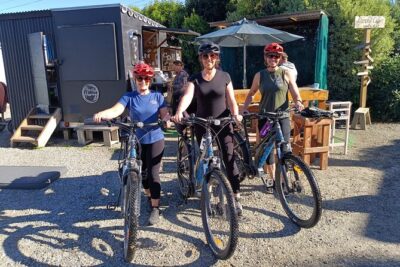
The other big advantage is the start: you don’t just get a bike and a vague instruction. You get an overview of the route, a safety briefing, and a test ride to confirm your seat height. If your seat is even a little wrong, your day turns into an achy grind. They aim to prevent that up front.
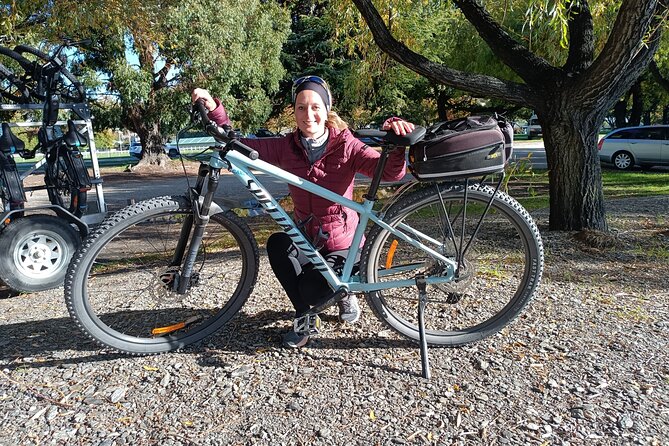
You can choose a regular bike or an e-bike. Both are set up for a family-friendly route (grade one and two style), but real life matters. Expect some gravel, some narrow sections, and enough hills that the e-bike is a smart choice if you want to keep energy for photos and snacks.
More of the Queenstown Trail from the saddle
- Bike the Wanaka and Hawea Trails
★ 5.0 · 346 reviews - Wānaka And Hāwea: Trail Ride on Bike or E-Bike
★ 4.9 · 161 reviews - ebike tour lake Hawea river track to Wanaka
★ 5.0 · 63 reviews - ebike tour lake Dunstan wine tasting
★ 5.0 · 47 reviews
Shuttle to Hawea and That Seat-Height Test You’ll Thank Yourself For
You’ll meet at 103 Ardmore Street, Wānaka 9305, at the Wanaka i-Site area. The shuttle vehicles pick you up from directly outside the information site. The operator aims to be there about 10 minutes early, and you don’t need to check in at the i-Site itself.
Once you’re in the group, the day begins with a safety briefing and a quick test ride. Seat height is the quiet make-or-break detail on bike tours. If you feel stretched or scrunched from the start, you can lose feeling in your legs by the second hour. The test ride is there to help you get comfortable before you roll onto the longer sections.
This is also where the tone gets set. The ride is designed to be easy to follow, but it still requires attention. Guides like James (often mentioned in reviews) explain the route clearly and demonstrate how to use the e-bike properly, so you’re not guessing once you’re out on your own.
The Core Ride: Hawea to Wānaka via Rivers, Albert Town, and the Scenic Parts
The trail path links the Lakes region in a way that feels practical and scenic at the same time. The route includes riding along the Hawea and Clutha rivers and then traveling back through Albert Town into Wānaka.
What the ride feels like
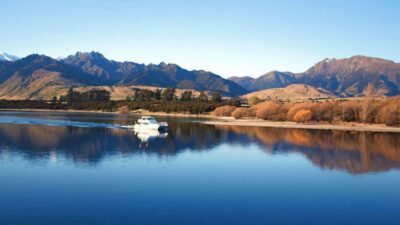
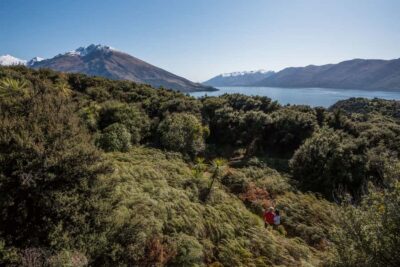
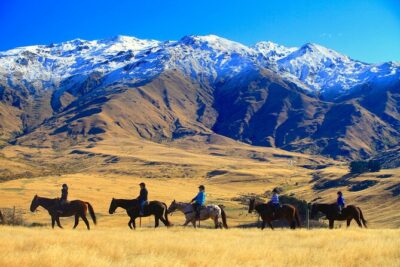
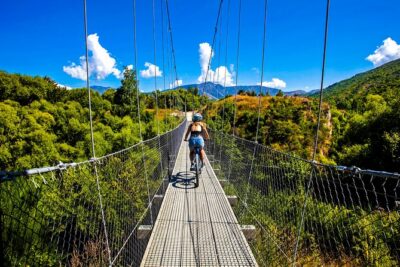
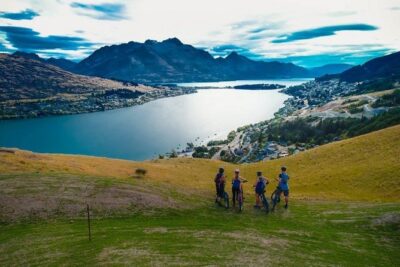
This is mostly the kind of riding that lets you look up often. You’re on gravel trails with rolling terrain, and the reward is that you get long views rather than only short bursts. Several riders describe the scenery as breathtaking, and when the weather lines up, the water-and-mountains look feels unreal.
How long and how far?
Duration is listed as about 4 hours. Your distance can vary based on pace and how many stops you make, but you should be prepared for day-riding effort. Reviews include rides around 32 km to 38 km, with some ups and downs. On e-bikes, those hills feel far more doable; on regular bikes, you’ll feel every change in grade.
A heads-up on difficulty
The trail is considered beginner-to-family friendly overall, but narrow or bumpy spots do show up. One review notes narrow, bumpy, and that you may end the ride wiped out if you’re truly brand new. Another calls it rolling hills and mostly gravel with a manageable feel. Your best approach: plan to go slow, keep a steady cadence, and treat it like a sightseeing ride, not a fitness race.
Albert Town Break: Pembroke Patisserie and Why It’s Worth Timing Your Ride
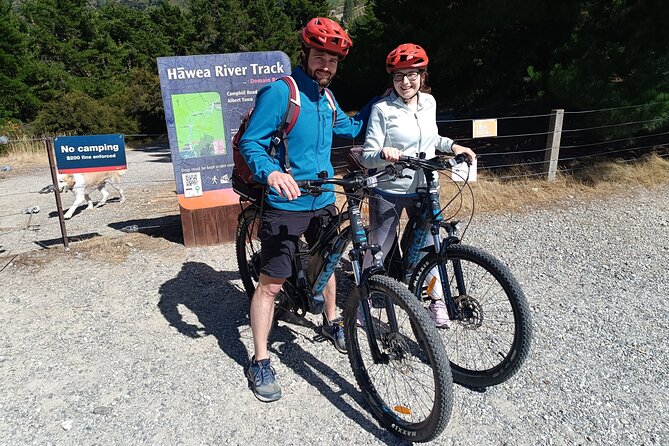
Albert Town is where the ride becomes more than motion. This is the favorite stop many people remember, because it turns a bike day into a real food-and-rest moment.
The highlight is Pembroke Patisserie, described as award-winning. A common favorite order is the chicken and leek pie. Even if you don’t order pie, having a planned mid-route stop is a huge quality-of-life feature. You get a break before your legs fade, and you can sit long enough to enjoy the moment instead of wolfing down snacks on the go.
Practical tip: treat your patisserie stop like a “reset.” If you take 20–30 minutes, you’ll start the return stretch refreshed instead of riding the rest of the day in survival mode.
Some routes include other small café or snack opportunities as well, so you’re not locked into one choice. The key is that the stop is placed mid-ride, so it supports your energy.
E-Bikes on This Route: When Assist Is a Smart Choice
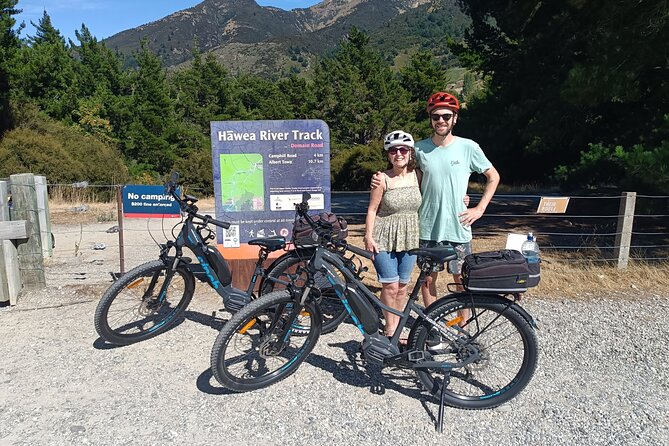
E-bikes are popular here for a reason. The terrain may be categorized as gentle overall, but the lakes region still has hills and changes in grade that can sap energy fast if you’re not used to cycling longer distances.
The e-bikes used for this tour are described as high-quality, and the assist can feel strong enough to make the day enjoyable rather than punishing. Reviews mention a turbo-like mode feel, and that matches the experience goal: keep you moving with less strain so you can keep exploring.
Who e-bikes fit best
They’re suitable for children 8 years+ who are over 140 cm and who are confident riders capable of using gears. If you’re traveling with kids, pick a shuttle time that gives you slack for the return ride. The operator recommends younger families choose the 0900 or 1030 shuttles so you have plenty of time to pedal back to Wānaka.
If you’re unsure about your fitness level, I’d lean toward an e-bike. You’ll still work, but you’ll arrive at the nice parts of the trail without feeling like you’re paying for the views with cramping legs.
Regular Bikes: Fine if You’re Comfortable, Tough if You’re Not
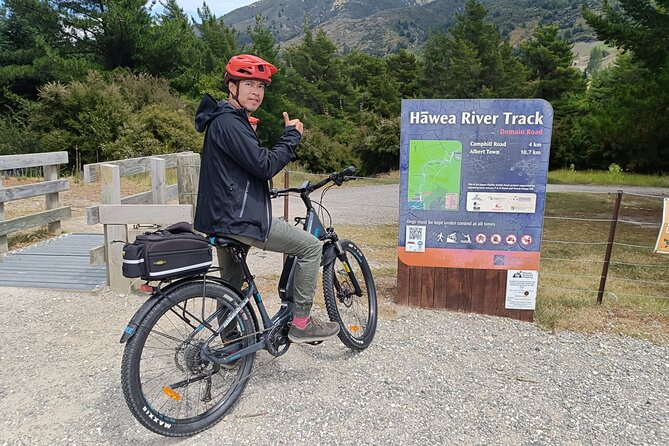
Regular bikes are doable here, but your success depends on your expectations. The route has enough rolling terrain and gravel texture that it’s not the “spin easily for hours” kind of day for most people.
If you’ve ridden longer distances before and you enjoy steady climbs, regular bikes work well. If you’re hoping for a totally relaxed ride with minimal effort, an e-bike is the safer bet.
There’s also a psychological factor. On a regular bike, it’s easier to push too hard at the start. Then you hit a hill later and you’re stuck wondering how you’re going to finish. The e-bike helps prevent that mistake.
Navigation and Pace: Self-Guided Freedom With Real-Life Attention
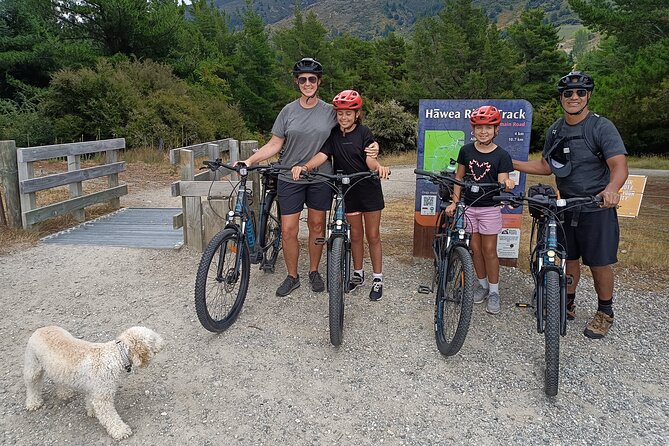
You get a route overview and instructions at the start, then you’re free to explore on your own. That’s great for flexibility, but it’s also why attention matters.
A couple of reviews highlight that there’s a lot of information and directions at the beginning. If you don’t have a good memory, take notes. Another review mentions getting turned around more than once despite map and instructions, which suggests that even a well-marked route can be confusing when you’re focused on scenery.
So here’s the balance I’d use: enjoy the views, but occasionally check you’re following the right direction. If you find yourself stopping often for photos, you’ll want to re-confirm the route at those breaks. Think of it like driving with good posture: looking around is fine, but you still need to stay oriented.
Also, some sections can be bumpy or narrow. The best move is simple: go slow through the rough spots. Stability beats speed here, especially if you’re riding with kids or if you’re on a regular bike and working hard already.
Gear: The Helmet, Rear Trunk Bag, and Flats Kit You Actually Need
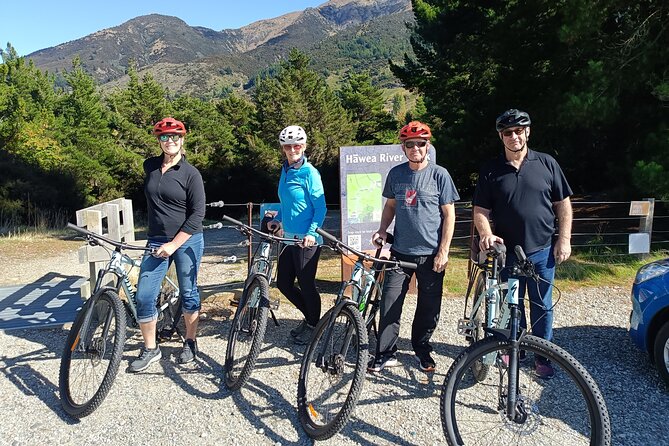
This package includes the essentials you’d otherwise buy or borrow. You’ll get:
- Helmet (Specialized Camber with MIPs protection)
- 8L Topeak rear trunk bag to carry things instead of a rucksack
- Bike lock, puncture repair kit, and a pump
- A safety briefing and an executive return shuttle
That trunk bag detail matters more than it sounds. With a backpack, you can end up sweating more, feeling off-balance, or constantly adjusting straps on gravel trails. A rear bag keeps things simpler, especially when you just need water, a layer, and a snack.
And yes, you’ll still want your own basics: sun protection, water, and weather layers. But the included items mean you won’t scramble to find a lock or worry about minor repair needs mid-ride.
Weather Reality: Rain Adds Fun, But Also Caution
Wānaka weather can change fast. One of the featured notes is that it rained for half the ride, and the day still worked out because the ride is outdoors but planned and guided at the start.
I’d plan with the assumption that you’ll ride in mixed conditions. Gravel paths can feel slick in rain, so give yourself extra time and keep your speed down in narrow or bumpy areas. If you want the best “wow” effect, clear weather helps a lot with lakeside views and photo-light, but the experience can still be enjoyable when it’s wet.
Price and Value: Is $80.67 Worth It?
At $80.67 per person, the value comes from what’s bundled.
You’re not paying just for a bike. You’re paying for:
- shuttle transfer (so your time stays on the trails),
- a structured start (overview, safety briefing, test ride),
- and real “ride day” gear (helmet, lock, pump, puncture repair kit, trunk bag).
Compare that with piecing everything together yourself: you’d still need transport to the trailhead, bike rental, a helmet situation, and a safe way to carry your stuff. This package basically handles those friction points for you.
If you choose an e-bike, the value often jumps because it lets you enjoy the route without turning it into a workout you didn’t plan for. If you’re on a regular bike and you’re comfortable with gravel riding, you can still get a full sightseeing day without spending more for logistics.
Who This Tour Suits Best
This is ideal if you want:
- scenic riding without heavy planning, since the shuttle and route start are handled,
- a lakes-and-river route that fits couples and families,
- a day that works even if you’re not super fit, especially with an e-bike.
It’s also a good first-day activity in Wānaka. One of the best reasons to do this early is that it helps you get your bearings: you see the area, you learn the rhythm of the region, and you come away with a sense of direction for the rest of your trip.
Should You Book Bike the Wānaka and Hawea Trails?
Book it if you want a straightforward, scenic bike day with help at the start. The shuttle removes a chunk of hassle, the e-bikes make the route more forgiving, and the Albert Town patisserie stop gives you a real break instead of a quick snack on the move.
Skip it or choose an e-bike if you’re worried about navigation, bumpy gravel, or longer distances. The ride is described as self-guided after the briefing, and there can be a lot of directions to remember. If you like structure, take notes at the start and ride slowly through the rougher sections.
If you’re comfortable cycling on gravel and you’re okay with some hills, regular bikes can work. If you want an easier day and better odds of arriving fresh for photos and treats, e-bike is the smart move.
FAQ
How long is the bike ride?
The experience runs for about 4 hours.
Where do I meet for the start?
You meet at 103 Ardmore Street, Wānaka 9305, New Zealand (outside the Wanaka i-Site area).
Do I get a shuttle back after riding?
Yes. There is an executive return shuttle, and bikes are collected back at the original pickup location by 4pm.
What’s included in the bike package?
Included are the bike hire (e-bike or regular bike), helmet, 8L rear trunk bag, bike lock, puncture repair kit, pump, a safety briefing, and the return shuttle.
Do I need rider insurance?
Rider insurance is not included.
Are the e-bikes suitable for kids?
E-bikes are suitable for children 8 years+ who are over 140 cm and are confident riders who can use gears.
Is the ride self-guided?
You get an overview, safety briefing, and a test ride at the start, and then you have the rest of the day to explore the local area on your bike.
How many people are in a group?
The maximum group size is 11 travelers.
What weather is required?
Good weather is required. If it’s canceled due to poor weather, you’ll be offered a different date or a full refund.
More of the Queenstown Trail
- Wānaka And Hāwea: Trail Ride on Bike or E-Bike★ 4.9 · 161 reviews
- ebike tour lake Hawea river track to Wanaka★ 5.0 · 63 reviews
- ebike tour lake Dunstan wine tasting★ 5.0 · 47 reviews
- Wānaka: Gladstone Track and Wanaka Trails on Bike or eBike★ 4.9 · 42 reviews
Fresh on the Queenstown pages

Cycling & Bike Trails, compared.
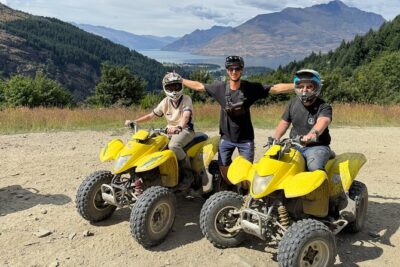 ★ 5.0Queenstown ATV Quad Bike Adventure TourFrom $197842 reviews
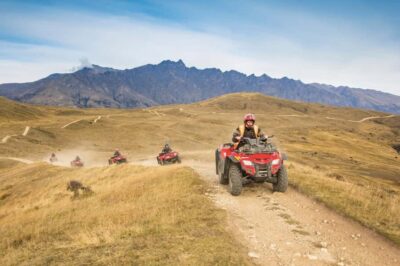 ★ 4.9Quad Biking ExperienceFrom $200436 reviews
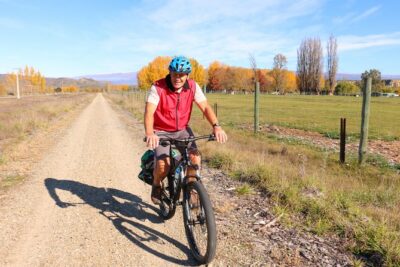 ★ 5.0Otago Central Rail Trail One Day Wonder Cycle tourFrom $99300 reviews
 ★ 5.0CHP Bike Rentals CromwellFrom $111280 reviews
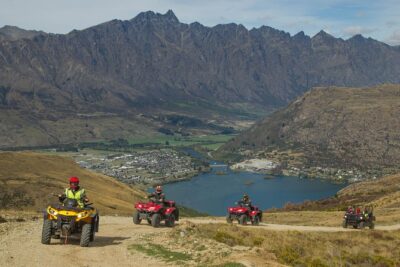 ★ 5.0Queenstown Hill Quad Bike TourFrom $216235 reviews
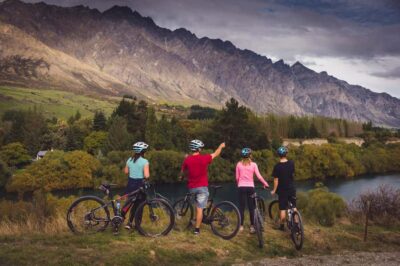 ★ 4.8Arrowtown To Queenstown Biking AdventureFrom $56212 reviews
 ★ 5.0Bike & Wine Tour: Arrowtown to Valley of the VinesFrom $73207 reviews
 ★ 5.0Guided eBike Tour ‘Ride to the Sky’From $152175 reviews
Browse the lists this tour appears in