
Review · KAYAKING & PADDLING
Packraft Wanaka
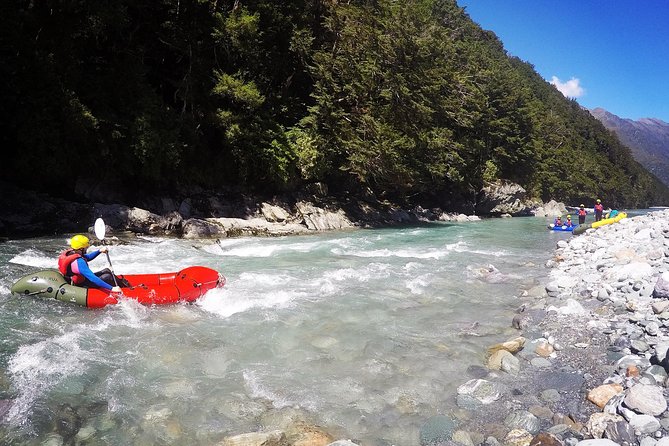
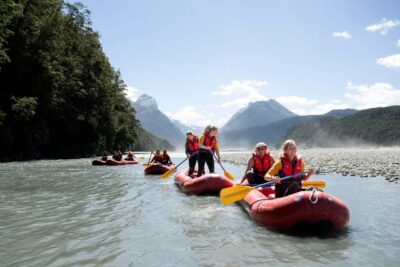
A paddle day in glacial country sounds simple. Then you add packrafts, white-water basics, and Mt. Aspiring views, and it becomes a full-on day out in New Zealand’s back country. You’re guided through eddies and wave trains on the Matukituki River, with time on land too, including a walk to Wishbone Falls.
What I really like is how much is handled for you: all gear, wetsuits, snacks, a picnic lunch, and even photos, plus return hotel transfers. I also love the small-group feel. With a maximum of 14 people, you get more attention in the water, and it helps that guides like Sue (driver) and Kayleigh (river guide) are known for keeping things smooth and informative.
One thing to think through first: this is not a casual sit-on-the-raft float. You must be able to swim, and you’ll want moderate fitness for a full day that includes a shuttled mountain ride and paddling in moving water.
In This Review
- Key things to know before you go
- Wanaka packrafting on the Matukituki: the kind of day you remember
- Price and value: what you’re actually paying for
- Morning flow from Ardmore Street: how the day starts
- The mountain stop: Wishbone Falls and Mt. Aspiring viewpoints
- Gear-up time: wetsuits and packraft coaching that actually helps
- On the river: eddies, wave trains, and a braided-river perspective
- Picnic lunch and snacks: a needed reset, not an afterthought
- Photos included: why it’s worth not fiddling with your camera
- The small-group advantage: more coaching, less waiting
- Who should book this and who should skip it
- Practical tips so you feel confident on day one
- Weather, group numbers, and day-of reality
- Should you book Packraft Wanaka?
- FAQ
- Where does the packraft tour start and end?
- What time does the tour begin?
- How long is the experience?
- What’s included with the tour?
- Do I need to be able to swim?
- How fit do I need to be?
- What’s the maximum group size?
- Can children join?
- What information do I need to provide when booking?
- What if the weather is bad or the minimum number of travelers isn’t met?
Key things to know before you go
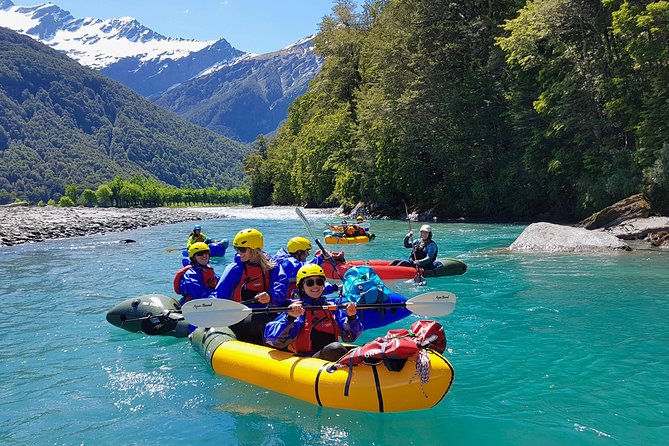
- Small group format (max 14) means more coaching when you’re learning packraft basics
- Matukituki River white-water play, built around eddies, wave trains, and real current skills
- Wishbone Falls walk early in the day to break up the adventure before you gear up
- All equipment included, from wetsuit to packraft, plus snacks and a picnic lunch
- Photos are part of the package, so you don’t have to worry about capturing the moment
Wanaka packrafting on the Matukituki: the kind of day you remember
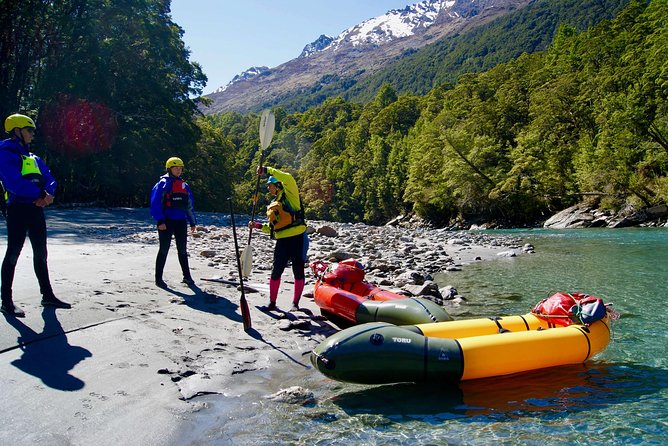
This trip is built for people who want more than a scenic drive. You get the alpine setting near Wānaka, then you move into the real activity zone: a guided packraft day on the Matukituki River in Mt. Aspiring National Park terrain. It’s a mix of mountain views and hands-on river time, and that blend is the magic.
Expect your guide to teach you how to steer and paddle before you head into the moving water. The goal isn’t to overwhelm you. It’s more like: get your bearings fast, learn the basics, and then let the river do the entertaining. You’ll still be active the whole time, but it’s structured so you’re not just thrown into the deep end.
And because the group is small, the day feels less like a conveyor belt. You can ask questions, you get better feedback, and it’s easier to match your comfort level to what the guide is planning for your raft.
More paddling on Moke Lake and the Dart River
- Half-Day Kayak Experience on the Mighty Clutha River from Wanaka
★ 5.0 · 47 reviews - Half-Day Kayak Tour on Lake Wanaka
★ 5.0 · 44 reviews - Wanaka: Full-Day Guided Packrafting Tour with Lunch
★ 4.9 · 13 reviews - Kayak Rental Adventure – The Mission
★ 5.0 · 6 reviews
Price and value: what you’re actually paying for
At $272.43 per person, it might look like a lot until you price out the pieces. The value here is that you’re not paying separately for the gear, the coaching, the river day logistics, and the food.
What’s included:
- Return hotel transfers
- Wetsuits and packrafting gear
- Snacks and a picnic lunch
- Photo coverage
- A guided plan that takes you from Wanaka into the mountains and then back to the river
You also get a fuller day (about 7 hours 15 minutes), not a short sample. That matters because the time window in this kind of environment is tight—you need a schedule that works with daylight, weather, and river conditions. When all that planning is bundled, you can spend your energy on the experience instead of the logistics.
If you’re comparing against doing it independently, the hardest part is rarely the paddling. It’s the safety planning, correct gear fit, and the local knowledge to run a route that stays scenic and fun.
Morning flow from Ardmore Street: how the day starts
The experience meets at 99 Ardmore Street, Wanaka, Wānaka 9305 with a start time of 8:15 am and returns back to the same meeting point. That early start is a big deal. It gives you time to ride into Mt. Aspiring country, do the short walk, get geared up, and still have enough daylight for the river segment.
The morning is set up to keep you moving:
- You’ll meet for pickup and trip details, including a risk disclosure and basic run-through.
- Then you head out by shuttle into the mountains.
This timing also helps with cold-water comfort. The quicker you’re in wetsuit and on schedule, the less you have to stand around feeling chilly.
The mountain stop: Wishbone Falls and Mt. Aspiring viewpoints
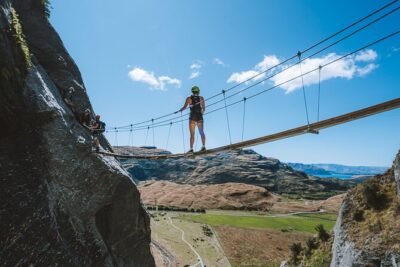
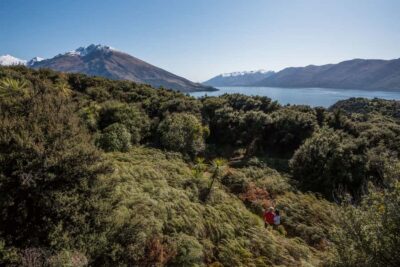
Before you touch the water, you get a land segment that’s more than a warm-up photo stop. You ride into the towering mountain area, then you take a short walk to Wishbone Falls.
Why this matters: it breaks the day in a natural way. You’re not going straight from van to current. You get a stretch, you build a sense of the environment, and you get that alpine-and-forest contrast before the river excitement.
After a short break, the day shifts quickly into preparation mode. That’s when you move from walking boots to river gear.
The wider payoff is context. When you later see glaciers and rugged features from the water, your eyes have something to connect with from earlier in the day.
Gear-up time: wetsuits and packraft coaching that actually helps
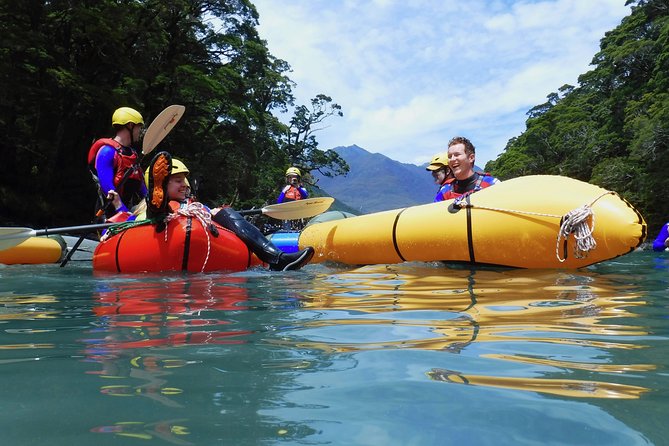
You’ll go into wetsuit mode before you paddle. The wetsuit is part of the day’s safety and comfort plan, and it lets you spend more time on the water without turning the experience into a cold-water endurance test.
Then comes the part many people care about most: learning how to paddle your packraft.
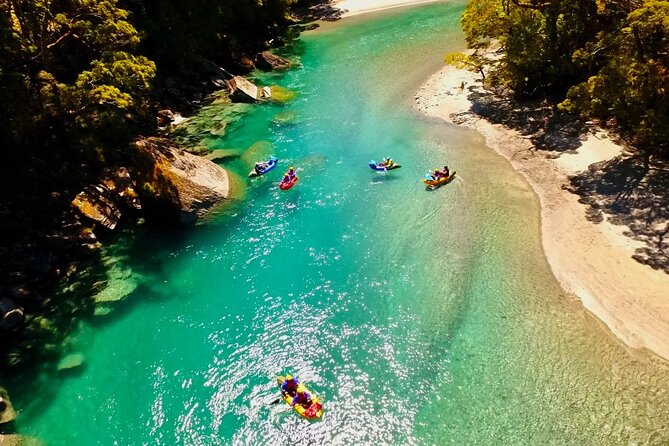
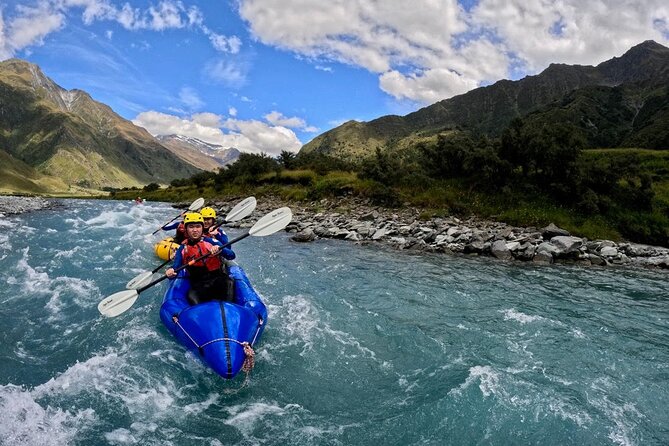
You’re on a lightweight, stable, two-person raft, and you’ll receive basics for paddling and steering before heading into white-water sections. The style is practical. You learn what you need so you can handle the raft confidently when the water starts doing its thing—eddies, faster streaks, and wave-like features.
One detail that’s easy to overlook: because you supply your water confidence level (high/med/low) and you must be able to swim, the guide can shape the coaching to fit you and your current comfort. That’s what keeps the day fun instead of stressful.
On the river: eddies, wave trains, and a braided-river perspective
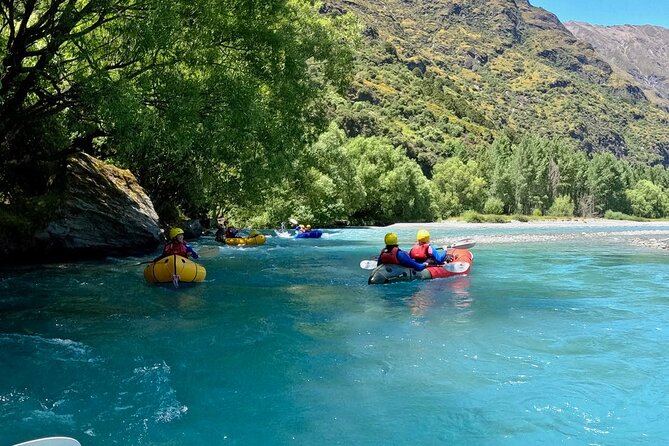
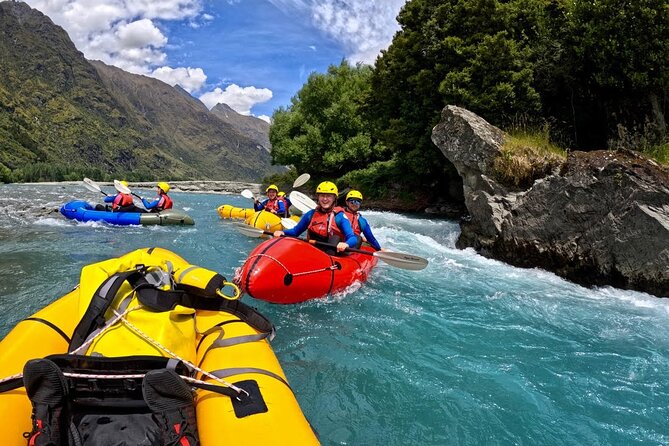
Once you’re launched, the Matukituki River does what it does best: it turns movement into play. You’ll ride eddies and wave trains, and you’ll navigate white-water with a guide who’s watching the route and managing the group.
Here’s what makes this river segment feel special. It’s not just about going fast. It’s about learning to read water. Eddies help you understand where the raft slows and pivots. Wave trains help you understand how to keep direction through choppy rhythm. And braided riverbed scenery gives you that constant sense of the river’s changing paths.
From the raft, the views are a key part of the payoff:
- Glacier scenery in the background
- Ancient beech forest along the region
- Wildlife tied to that braided riverbed environment
Even if you’re not a hardcore nature nerd, you’ll feel the difference between a guided river run and a random float. You’re moving with purpose, and the guide’s commentary turns what you see into something you can name and remember.
Picnic lunch and snacks: a needed reset, not an afterthought
After the paddling start and during the day’s rhythm, you’ll be covered for food. The tour includes snacks and a picnic lunch.
In active days, lunch isn’t just calories. It’s a reset for comfort and morale. You come out of the cold river time and you’re not stuck hunting for a café. You eat, you warm back up, and you get back into the rest of the plan with energy.
That matters on a long outing like this, because you’re outdoors the whole time. Having food included means you’re not budgeting extra for convenience.
Photos included: why it’s worth not fiddling with your camera
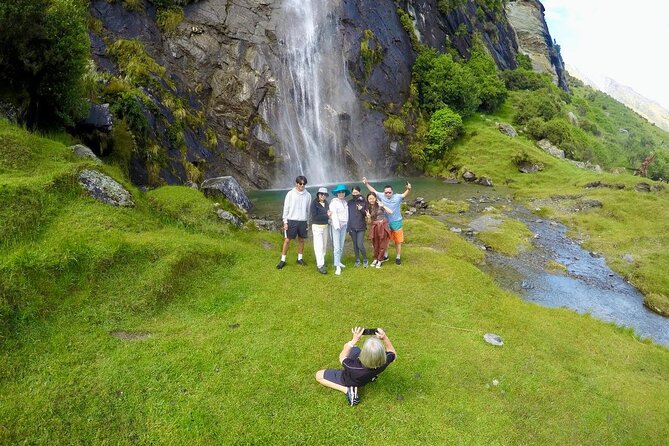
You get photos as part of the experience. That may sound like a small add-on, but on the water it’s the difference between enjoying the day and constantly thinking about gear.
Packrafting involves spray, motion, and the kind of timing that makes you miss key moments if you’re managing your phone. With photos handled, you can stay focused on paddling and seeing the mountains and glaciers around you.
The small-group advantage: more coaching, less waiting
A maximum of 14 travelers changes the vibe. On a day that mixes walking, gear fitting, and river coaching, big groups mean longer waits and less personal feedback. Here, you’re more likely to get hands-on instruction tailored to you and your raft partner.
That’s likely why this trip earns strong ratings. People talk about how smoothly the day runs and how much they learn from the guides. In particular, the combination of strong driving logistics and river guidance is a big part of why the experience feels well planned—especially when a driver like Sue sets up the day calmly and a river guide like Kayleigh keeps the paddling instruction clear.
Who should book this and who should skip it
This is best for you if:
- You can swim (this is required)
- You want a day that mixes mountain scenery with real river action
- You have moderate physical fitness
- You enjoy guided nature experiences where the environment is part of the fun
- You like learning skills, not just watching from shore
You should be cautious (or skip) if:
- You’re not comfortable swimming or dealing with cold water and movement
- You prefer very low-intensity activities
- You’re looking for a relaxed float with no white-water navigation
Also keep in mind the small but important details the day requires:
- Children aged 4–14 must be accompanied by an adult over 18
- If you’re over 130kg, reach out to ensure the right size gear
- You’ll be asked for your weight, height, shoe size, dietary requirements, and water confidence level
That info isn’t busywork. It helps the team fit gear and plan for your comfort and safety on the water.
Practical tips so you feel confident on day one
Even with gear included, you can make the day easier on yourself.
1) Be honest about your water confidence
If yours is low or medium, say so. The guide can help you get comfortable with the raft basics and set expectations for what you’ll handle.
2) Think in layers for the shuttle and walk
You’ll be riding and then walking to Wishbone Falls before you’re in wetsuit mode. Temperature swings happen in alpine regions.
3) Bring the right shoes and expect wet conditions
The tour asks for your shoe size, which hints that footwear matters for the early walk and getting into the gear stage.
4) Use the guide’s instruction in the moment
This kind of river day rewards attention. If you listen and apply the guidance, you’ll spend less time second-guessing and more time enjoying the ride.
Weather, group numbers, and day-of reality
This experience needs good weather. If conditions aren’t right, you’ll be offered a different date or a full refund. And there’s a minimum number of travelers needed for it to run—if that number isn’t met, you’ll get another date/experience option or a full refund.
That’s normal in remote-alpine adventures. The key is to keep your schedule flexible around the date you choose.
Should you book Packraft Wanaka?
If you want an active day that combines Mt. Aspiring scenery with hands-on river time, I’d say yes, book it—especially because the package is built to reduce stress. You’re not juggling gear, food, transport, or safety planning. You get all equipment, coaching, snacks and picnic lunch, photos, and return transfers, all wrapped into a small-group format.
This one is a strong fit if you’re comfortable swimming and you’re willing to treat white-water learning as part of the fun. If swimming is a deal-breaker for you, or you want purely calm water, then it’s better to look for a gentler option.
If you like your travel days with clear instruction, good logistics, and scenery that you can’t really replicate on your own, Packraft Wanaka is the kind of outing that tends to stick with you.
FAQ
Where does the packraft tour start and end?
The experience starts at 99 Ardmore Street, Wanaka, Wānaka 9305, New Zealand and ends back at the same meeting point.
What time does the tour begin?
The start time is 8:15 am.
How long is the experience?
The duration is approximately 7 hours 15 minutes.
What’s included with the tour?
It includes return hotel transfers, a picnic lunch, snacks, photos, and all gear (including wetsuit and packrafting equipment).
Do I need to be able to swim?
Yes. Clients must be able to swim to participate.
How fit do I need to be?
Travelers should have moderate physical fitness.
What’s the maximum group size?
The tour/activity has a maximum of 14 travelers.
Can children join?
Children aged 4–14 must be accompanied by an adult over 18.
What information do I need to provide when booking?
You’ll be asked to supply weight, height, shoe size, dietary requirements, and water confidence (high/med/low).
What if the weather is bad or the minimum number of travelers isn’t met?
The experience requires good weather. If it’s canceled due to poor weather, you’ll be offered a different date or a full refund. If it’s canceled because the minimum number isn’t met, you’ll be offered a different date/experience or a full refund.
More Paddling to Do
- Half-Day Kayak Experience on the Mighty Clutha River from Wanaka★ 5.0 · 47 reviews
- Half-Day Kayak Tour on Lake Wanaka★ 5.0 · 44 reviews
- Wanaka: Full-Day Guided Packrafting Tour with Lunch★ 4.9 · 13 reviews
- Kayak Rental Adventure – The Mission★ 5.0 · 6 reviews
Fresh on the Queenstown pages

Kayaking & Paddling, compared.
 ★ 5.0Dart River Canoe and Jet Boat Experience from QueenstownFrom $273342 reviews
 ★ 4.8Dart River Canoe & Jet Boat Day TripFrom $256148 reviews
 ★ 5.0Half-Day Kayak Experience on the Mighty Clutha River from WanakaFrom $25047 reviews
 ★ 5.0Half-Day Kayak Tour on Lake WanakaFrom $16644 reviews
 ★ 5.0Moke Lake Kayak ExperienceFrom $11143 reviews
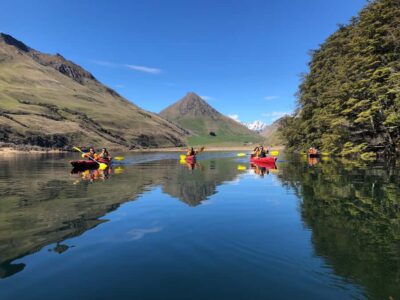 ★ 4.7Kayaking or SUP Experience on Moke LakeFrom $8923 reviews
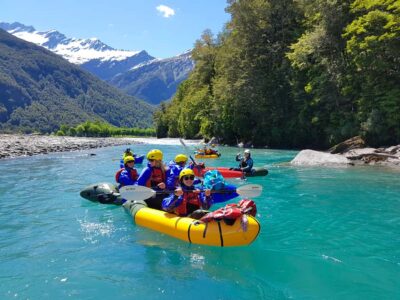 ★ 4.9Wanaka: Full-Day Guided Packrafting Tour with LunchFrom $25613 reviews
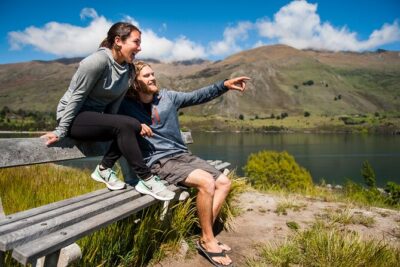 ★ 5.0Kayak Rental Adventure – The MissionFrom $926 reviews
Browse the lists this tour appears in