Review · QUEENSTOWN
Māori Whakatau Welcome
Lake Wanaka starts talking back to you.
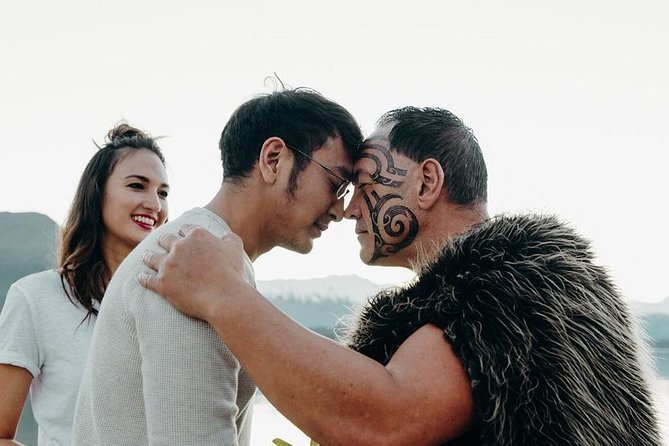
This Māori Whakatau welcome is designed to help you arrive as a visitor and leave feeling included on the land of Otago, with the pōwhiri ritual at the center. I especially like how the experience is structured around real cultural concepts like manaakitanga (hospitality) and kaitiakitanga (guardianship), not just a performance. You’ll want to consider that the event depends on good weather, so a plan B date may be needed.
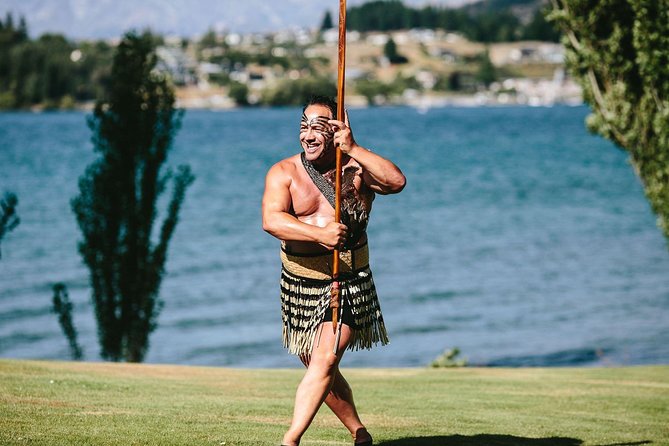
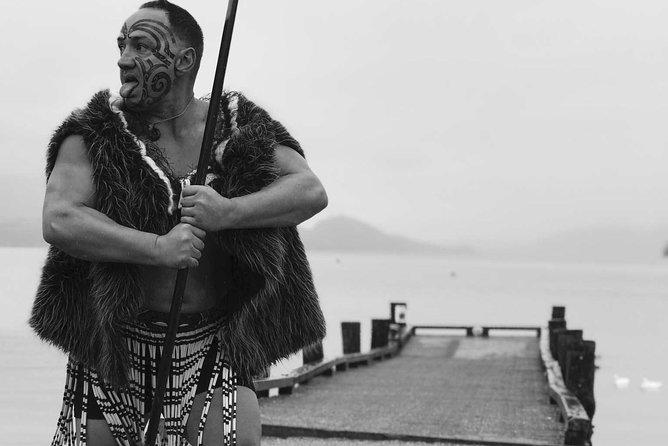
Two things I really appreciate are the hands-on pacing of the pōwhiri and the warm, personal feel once the group is underway. The flow includes a wero (challenge) with a Māori warrior and taiaha, then moves into the welcome speech (mihi whakatau) so you gradually shift from strangers to something closer to whānau. One possible drawback: the souvenirs people talk about most are not automatically included, so if you’re hoping to take home a bone carving, plan on it as an add-on.
In This Review
- Key points before you go
- Why a pōwhiri on Lake Wanaka is the best early-trip cultural move
- Manaakitanga and Kaitiakitanga: what you’re really learning
- Wero, mihi whakatau, and the shift from strangers to whānau
- What happens during the 40 minutes to 1 hour
- Lake Wanaka vs. Queenstown: where the welcome takes place
- Private transportation and small groups: why logistics matter here
- Souvenirs: photos and Māori bone carving (optional, not guaranteed)
- Price and value: $31.03 for a full cultural ritual
- Families and kids: age cutoff and how to think about it
- Who should book this pōwhiri in Wanaka
- Should you book the Māori Whakatau Welcome?
- FAQ
- How long does the Māori Whakatau Welcome take?
- Where does the experience happen?
- What is the starting time?
- Is the ticket mobile?
- What is included in the price?
- Are the Māori bone carvings included?
- Are there souvenirs included?
- Is there a discount for children?
- Is it weather dependent?
- Can I cancel and get a full refund?
Key points before you go
- Wero challenge and mihi whakatau are part of the full pōwhiri arc, not a shortened intro.
- Manaakitanga and kaitiakitanga are explained through what you’re doing, not just what you’re hearing.
- Small group size (max 30) helps the welcome feel personal.
- Morning or afternoon options mean you can schedule it early in your trip.
- Souvenir items are extra, so you can choose what fits your budget.
- Joe often gets praise for being helpful and making sure kids feel included.
Why a pōwhiri on Lake Wanaka is the best early-trip cultural move
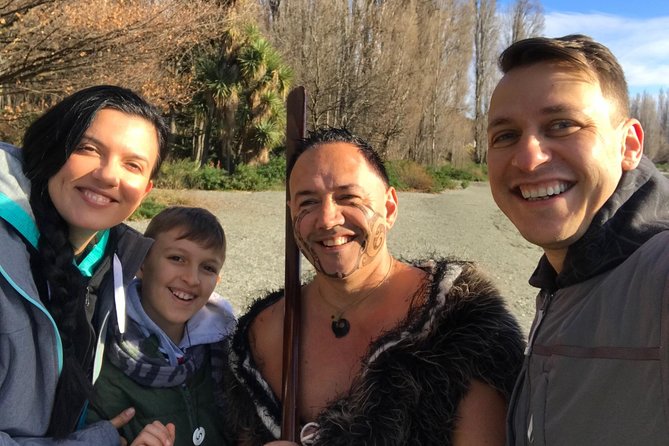
If you’re coming to New Zealand for the first time, it’s easy to treat culture like a separate ticket you add later. This is the opposite. A pōwhiri welcome is designed to meet you at the start, as you arrive and as you prepare to belong—at least for the time you’re there.
The setting also matters. Lake Wanaka isn’t just pretty scenery; it’s the backdrop for the relationship Māori people describe through manaakitanga and kaitiakitanga. You’ll feel that the land isn’t a postcard. It’s part of the story.
Still mapping out your Queenstown days? Here are more trips we have written up.
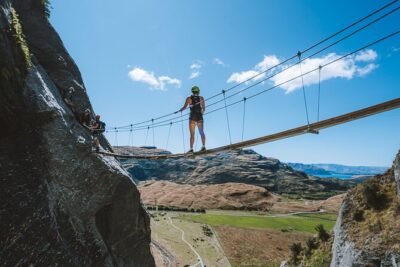
- Wildwire Wanaka- Level 2 (4 Hours)
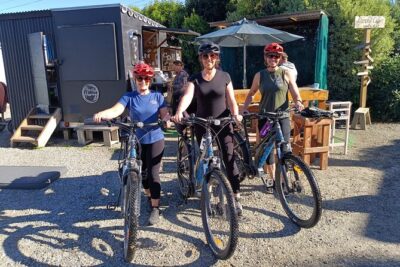
★ 5.0 · 467 reviews - Bike the Wanaka and Hawea Trails
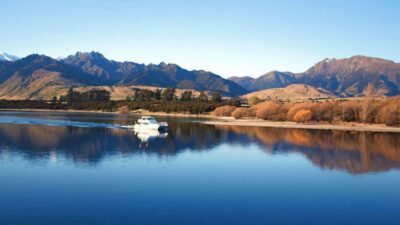
★ 5.0 · 346 reviews - Lake Wanaka Happy Hour Cruise
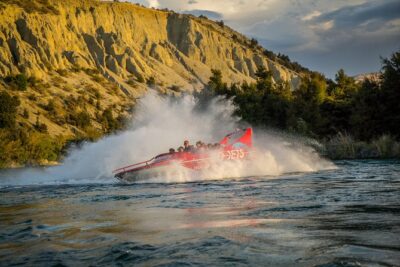
★ 4.6 · 313 reviews - Small Group Jet Boat Adventure on the Clutha River from Wanaka
★ 5.0 · 302 reviews
Manaakitanga and Kaitiakitanga: what you’re really learning
The experience frames two ideas that show up again and again in Māori tradition:
Manaakitanga is hospitality—how people care for guests. In a pōwhiri, you don’t just watch from the outside. The ritual gives you a role in the social moment, so you can understand what hospitality looks like in action.
Kaitiakitanga is guardianship of the land—your responsibility toward place. The welcome sets this up through the way you’re spoken to and the way the group is guided through the ceremony. Even if you don’t catch every word, you’ll still notice the purpose: respect for whenua (land) and the people tied to it.
Wero, mihi whakatau, and the shift from strangers to whānau
This pōwhiri welcome is built around key parts of the ritual, so you’re not just getting a “brief explanation.” You’ll start with a wero (challenge) delivered by a Māori warrior using a taiaha. That moment can feel intense at first, mostly because it’s real energy, not a quiet museum talk.
Then the experience moves into the welcome elements, including mihi whakatau (the welcome speech). The goal is clear: you begin as strangers, and by the end you become part of the group’s whānau-feeling connection. That’s not a vague promise. It’s the structure of the ceremony.
What happens during the 40 minutes to 1 hour
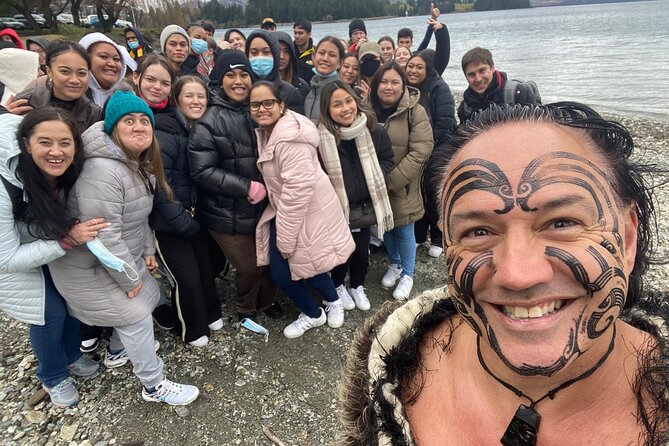
Think of the whole thing as a focused chapter in your trip—short enough that it won’t hijack your day, but long enough to feel like something actually happened.
The flow is anchored at Lake Wanaka. You’ll be greeted, guided through the ritual components, and brought along step by step. Because the experience is designed for families and a wide range of ages, the pace tends to be readable: you’ll know when something begins and when it’s time to respond.
Duration is listed at about 40 minutes to 1 hour, so you should plan to keep the rest of your schedule light afterward. Give yourself time to process what you just took in—especially if you’re visiting in the first days after landing.
Lake Wanaka vs. Queenstown: where the welcome takes place
This pōwhiri can be done in either Wanaka or Queenstown. If you care deeply about being near a specific base, email first and ask for your preferred location.
In your head, it helps to treat “Wanaka” as the Lake Wanaka option described here, and “Queenstown” as the alternative site. The cultural structure stays the same; the landscape simply shifts.
Private transportation and small groups: why logistics matter here
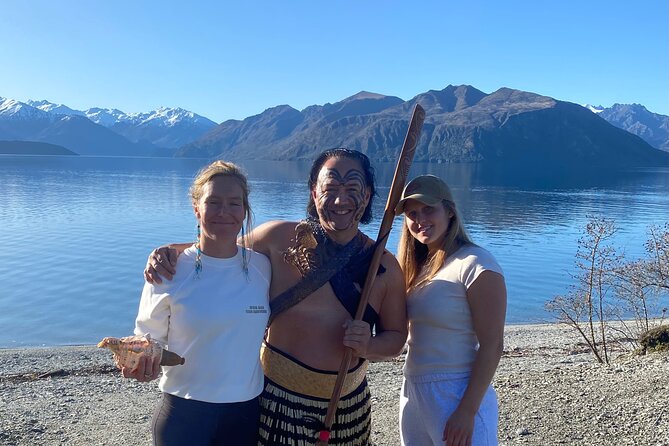
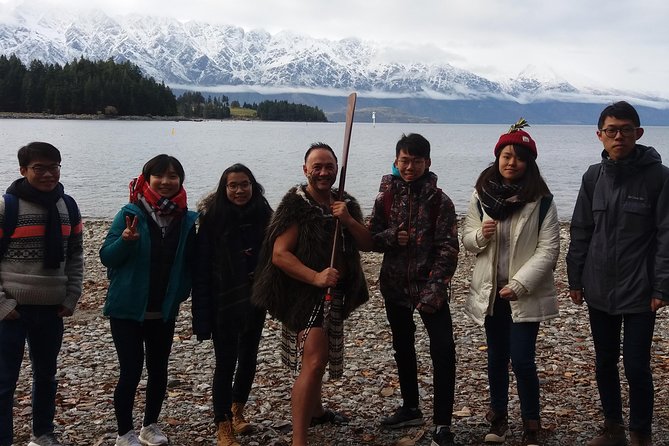
This is not a big coach outing. The group has a maximum of 30 travelers, which makes a big difference for a ceremony like this. When the group is smaller, the welcome doesn’t feel rushed, and you’re more likely to feel acknowledged rather than blended into a crowd.
Also, private transportation is included. You don’t have to stress about getting yourself to and from the meeting point. The experience ends back at the meeting point, so you can plan a clean, simple return.
If you’re traveling with a carless day, this kind of included transport is a real value booster. It means your time spent isn’t eaten by commuting.
Souvenirs: photos and Māori bone carving (optional, not guaranteed)
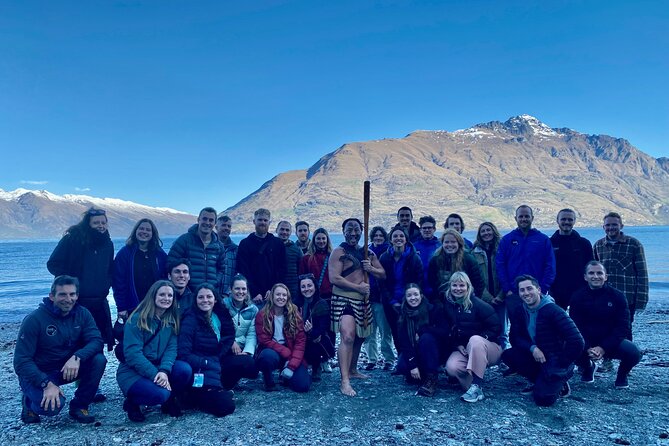
You’ll likely hear about the idea of taking an authentic Māori bone carving home as a memory of your pōwhiri. Here’s the practical part: a bone carving is listed as not included, along with an extra WanaHaka tea towel souvenir.
What that means for you: go in knowing the core experience is the ritual itself and the welcome connection. If you want keepsakes, you’ll probably have a chance to purchase them.
Souvenir photos are also available to purchase. If you hate the pressure of “photo moments,” you can simply treat it as an optional add-on. If you love documentation, plan a little extra budget.
Price and value: $31.03 for a full cultural ritual
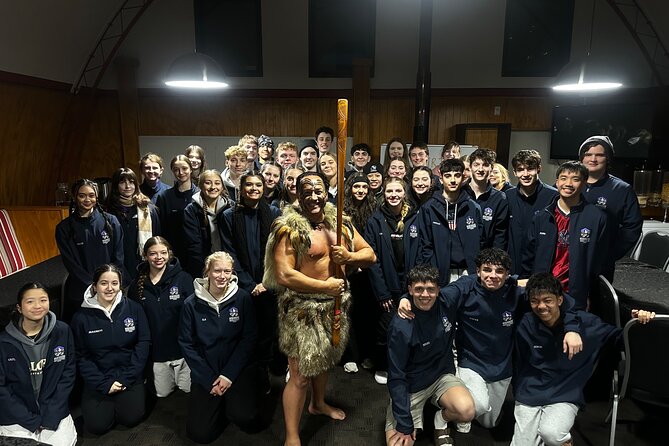
At $31.03 per person, this isn’t priced like a long-form cultural show. It’s priced like a genuine welcome ritual with a short time commitment and hands-on participation—plus private transport is included.
So where’s the value? In three places:
- You’re participating, not just listening. The wero and the mihi whakatau are the heart of the welcome arc.
- Time cost is low. You’re done in under an hour, which makes it easier to fit into your schedule.
- It’s early in your trip. Doing this before you branch out helps you understand what respect and belonging mean here, and it colors how you see the rest of your days.
Could you find cheaper cultural content? Sure. But if you specifically want the real pōwhiri structure—challenge, welcome speech, and the shift toward connection—this price looks like a thoughtful way to do it without overspending.
Families and kids: age cutoff and how to think about it
This is a family-friendly activity in the sense that it’s designed for people across ages. Children aged 16 and under pay a discounted rate, and children must be accompanied by an adult.
Also, in the feedback I’ve seen, the experience is noted as enjoyable for kids. That makes sense. A pōwhiri isn’t just a lecture; it’s a ritual with movement, cues, and group response. If you’re traveling with teenagers, this age group may appreciate it more than you’d expect, because it’s participatory rather than purely observational.
For parents, the key consideration is attention span and comfort with ceremonial intensity at the wero moment. If your child is sensitive to loud or dramatic moments, do a quick check on how they handle similar energy in other settings.
Who should book this pōwhiri in Wanaka
I think this experience is a strong fit if you:
- Want a meaningful start to your New Zealand trip, not a last-day “check the box” stop
- Appreciate Indigenous culture that explains land responsibilities through tikanga (customs)
- Prefer a small group experience over a large tour
- Are traveling with family and want something interactive
- Like the idea of going home with a memory that may include a souvenir purchase
If you only want quiet sightseeing and photos, this might feel too interactive. If you’re open to being guided through a real ritual, it’s exactly the kind of stop that changes how you read the place.
Should you book the Māori Whakatau Welcome?
Book it if you want something that feels respectful, structured, and genuinely cultural—done on Lake Wanaka grounds and explained through core ideas like manaakitanga and kaitiakitanga. The short duration makes it easy to schedule, and the small group size helps the experience stay personal.
Skip it—or at least reconsider—if your trip plans can’t flex for weather, or if you’re hoping souvenirs are included without any extra cost. Also, if the idea of a wero feels like a stress point, plan for that with your group before you go.
For most people visiting Otago, I see this as a high-value cultural welcome. You get a real ritual arc, not just background info, and that’s rare for the time and price.
FAQ
How long does the Māori Whakatau Welcome take?
It runs for about 40 minutes to 1 hour.
Where does the experience happen?
It’s based around Lake Wanaka in Wanaka, and the pōwhiri can also be done in Queenstown.
What is the starting time?
The start time listed is 9:30 am.
Is the ticket mobile?
Yes. It’s described as a mobile ticket.
What is included in the price?
Private transportation is included. The pōwhiri experience includes the wero and mihi whakatau as part of the welcoming ritual.
Are the Māori bone carvings included?
No. Authentic Māori bone carving is listed as not included, and you may be able to purchase it as a souvenir.
Are there souvenirs included?
Souvenir photos are available to purchase, and the bone carving and WanaHaka tea towel souvenir are listed as not included.
Is there a discount for children?
Yes. Children aged 16 and under pay a discounted rate.
Is it weather dependent?
Yes. It requires good weather. If it’s canceled due to poor weather, you’ll be offered a different date or a full refund.
Can I cancel and get a full refund?
You can cancel up to 24 hours in advance of the experience for a full refund. If you cancel less than 24 hours before the start time, the amount you paid is not refunded.