
Review · GUIDED HIKES & GREAT WALKS
Introduction to Wanaka Rock Climbing – Half Day
Climb real rock near Mt Aspiring. This half-day Wanaka outing sends you into the Matukituki Valley with a guide who keeps you moving and teaches you how to climb safely. It’s a great way to trade the indoor wall for real exposure, real rock texture, and real confidence-building.
I love that you get all the gear (harness, climbing shoes, helmet) and a qualified instructor focused on technique, not just keeping the group busy. I also like the small-group feel, where your guide can steer you toward routes that match your level, from first-timer up to something more challenging.
The only real consideration is weather. The tour runs in most conditions, so you’ll want to dress for wind, cloud, or rain, and you should plan on being outside for the full half day.
In This Review
- Key things to know before you go
- Matukituki Valley climbing: what makes Wanaka feel so workable
- Getting equipped at Basecamp: the part that prevents rookie mistakes
- The instructor’s job: matching you to routes you can actually learn from
- Transport to the wall: saving energy for climbing, not logistics
- What your 4-hour half day really looks like on the clock
- Routes in the sun: why the rock time feels better than you expect
- When weather goes sideways: what to expect and how the guide responds
- Gear and technique: what first-timers should pay attention to
- Price and value: is $383.51 per person worth it?
- Who this tour fits best (and who might want a different plan)
- Practical tips before you go (so the day stays fun)
- Should you book Wanaka Rock Climbing Half Day?
- FAQ
- Where does the rock climbing tour start and end?
- How long is the experience?
- What’s included in the price?
- Do I need to bring food or drinks?
- What happens if the weather is very poor?
- Can I cancel for a full refund?
- What are the age requirements and participation limits?
Key things to know before you go
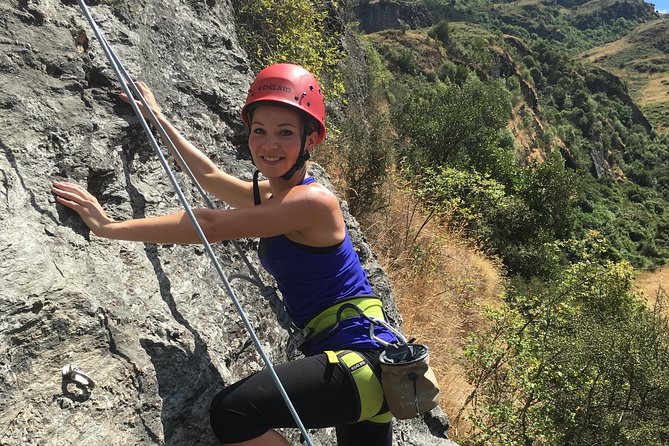
- Basecamp start (or pickup): Meet at Basecamp Wanaka Climbing Centre on Cardrona Valley Road, with pickup from your Wanaka accommodation if you ask.
- A guide chooses the right routes: You’ll climb options ranging from easy to challenging, based on what your group can handle.
- Time on rock is the priority: The plan is to spend about 3 to 3.5 hours climbing, which is where the value really shows.
- All the technical gear is included: Harness, climbing shoes, and helmet take the logistics off your plate.
- You’re climbing near Mt Aspiring National Park: It’s not a far-off expedition—just a short trip to the right rock for the day.
- Small groups keep coaching practical: With a maximum of 12 travelers, you get more attention when you need it.
Matukituki Valley climbing: what makes Wanaka feel so workable
Wanaka has that rare mix: it’s famous for big scenery, but you still get to do something active without turning the day into a whole production. This half-day tour is built around that idea. You’re not stuck hanging around waiting for your turn. You’re geared up, briefed, and then guided to a climbing spot that fits your group.
The rock climbing itself is set up to be genuinely approachable. The tour is aimed at first-time climbers and people who have only done indoor climbing. That matters because outdoor climbing punishes sloppy habits faster than the gym does. On the outdoor wall, you’ll learn how to work your body position, how to manage the rope and safety system properly, and how to think through holds instead of just powering up.
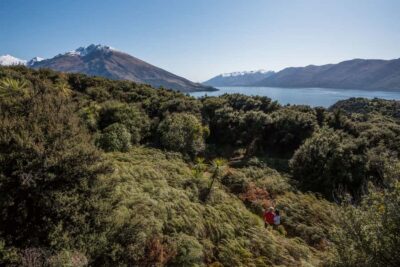
And since you’re in the Matukituki Valley area, the whole day feels like it’s happening on the doorstep of Mt Aspiring National Park. You get that “I’m actually outdoors” sense without needing a multi-day adventure.
Other guided walks on the Routeburn and Milford tracks
- Jet Boat and Wilderness Walk Tour from Wanaka
★ 5.0 · 259 reviews - Wanaka: Jet Boat & Wilderness Walk
★ 4.9 · 42 reviews - Siberia Experience:Fly-Hike-Jetboat:Wilderness Adventure:Wanaka
★ 5.0 · 26 reviews - Rob Roy Glacier Guided Walk
★ 5.0 · 8 reviews
Getting equipped at Basecamp: the part that prevents rookie mistakes
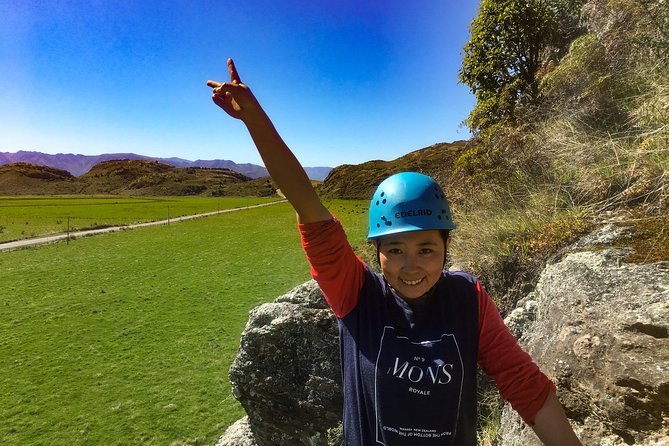
Your day starts at Basecamp Wanaka Climbing Centre (50 Cardrona Valley Road). If you prefer, you can arrange pickup from your Wanaka accommodation. Either way, the early goal is the same: get you climbing safely with the right setup fast.
You’ll get outfitted with climbing gear including a harness, climbing shoes, and a helmet. That’s not just convenience. Correct fit and correct use are the whole foundation of feeling comfortable on the rock—especially if it’s your first time outside.
Before you ever go near the wall, you’ll also get an introduction to climbing and safety. For first-timers, this is the moment that turns anxiety into action. A good guide will help you:
- wear the harness correctly
- understand the safety system you’re using
- learn basic movement and rope-handling expectations
- get comfortable enough to focus on the climb, not the gear
If you’ve only climbed indoors, this is where you’ll notice the biggest shift: outdoors isn’t about perfect plastic holds. It’s about reading the rock and using your technique to stay balanced and efficient.
The instructor’s job: matching you to routes you can actually learn from
One of the best parts of this tour is how the guide selects where you climb. Instead of forcing one fixed route for everyone, your instructor takes the group’s level and chooses climbs that fit—so you’re not left feeling helpless or bored.
The range goes from easy to challenging. That flexibility is exactly what you want if:
- you’re completely new and need success quickly
- you’ve climbed indoors but struggle with outdoor movement
- you want something harder without going off-script into danger
In the reviews, instructors were specifically praised for teaching and adjusting on the fly. People called out how Issac was an excellent instructor and how Lil gave them chances for different climbing levels. Another review highlighted Loz being flexible and confidence-building even when weather didn’t cooperate. Those are the traits you want most from an outdoor coach: clear instruction, good judgment, and the ability to set a goal that feels within reach.
If you’re nervous about heights, that matters even more. Outdoor climbing can feel like a big jump from the gym. A strong guide helps you get the mechanics right first, so your brain doesn’t have to invent fear-control strategies.
Transport to the wall: saving energy for climbing, not logistics
You’ll get courtesy transport to and from the climbing areas. That’s part of the value, because it removes the hardest part of planning an outdoor climbing outing: getting to the right location without wasting time.
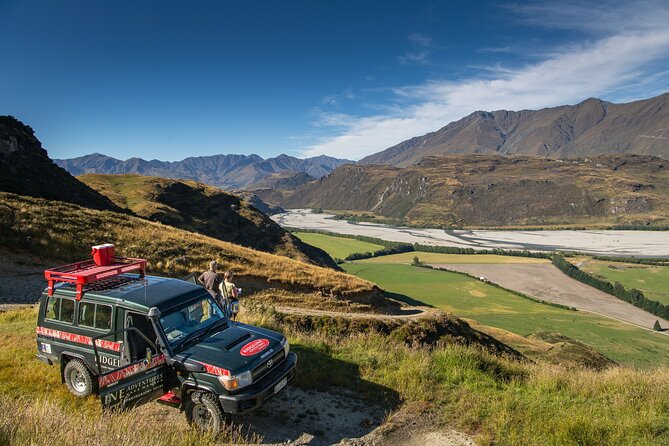
This is especially helpful if you’re staying in Wanaka proper and don’t want to drive, park, and navigate while you’re already keyed up to climb. The tour keeps the day tight and purposeful: start at Basecamp, head out to the appropriate climbing spot for your group, then return to the meeting point after your climbing time.
In a half-day format, every hour counts. Transport helps you protect those hours for actual wall time.
What your 4-hour half day really looks like on the clock
The duration is about 4 hours. While your total time includes the meet-and-gear portion and the return trip, the tour is clearly designed to maximize the climbing window.
Here’s the flow you can expect:
- You meet at Basecamp Wanaka Climbing Centre (or get pickup from your accommodation if arranged).
- You begin with an introduction to climbing.
- You’re outfitted with the full set of technical equipment.
- Your guide then takes you to the most suitable climbing location for your group, choosing routes from easy to challenging.
- You spend the maximum possible time on rock. The plan is about 3 to 3.5 hours climbing.
- After that, you return to the vehicle and get back to the meeting point.
That “maximum possible time on rock” is the line that matters. Outdoor climbing isn’t just about reaching the summit of a route. It’s about learning steps on the way: how to clip, how to move, how to reset after each attempt, and how to improve your technique over multiple climbs.
Because the group is limited (max 12), your guide can keep things flowing without constant waiting.
Routes in the sun: why the rock time feels better than you expect

Even when the day isn’t perfect, the climbing portion can still feel rewarding. Partly that’s because the guide aims to keep you on the wall and moving through climbs rather than sitting around.
The outdoor setting also changes how you experience technique. Indoors, you can often brute-force your way through. Outdoors, you have to trust your feet more, manage your body position, and think about where your weight goes. That’s a skill you can’t fake.
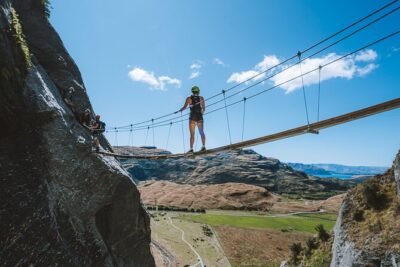
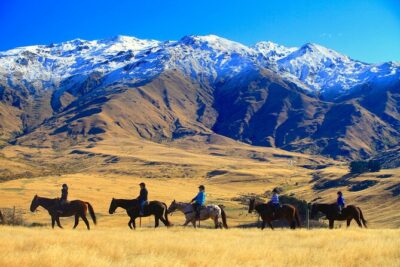
And the views don’t hurt. You’re climbing with mountain scenery around you, and that natural context tends to make people more present. It’s not just a workout; it’s also a way to feel connected to the area near Mt Aspiring National Park.
When weather goes sideways: what to expect and how the guide responds
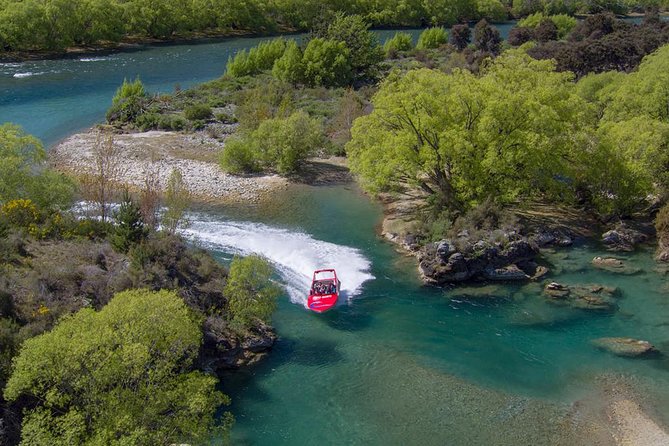
Wanaka weather can shift fast. The tour is designed to operate in most weather conditions, so you should assume you’ll go outside unless conditions are very poor.
If the climb does get canceled because of very poor weather, you’ll be offered options:
- an alternative date
- an indoor climbing experience
- a refund
That backup plan is practical. Outdoor days can be unpredictable, and having a way to keep your trip from losing the whole experience is a big deal for value.
In the reviews, this flexibility came up. One couple described rescheduling due to bad weather and praised an instructor named Lauriane conquering fear of heights. Another mentioned being in touch with Loz, who was flexible and super nice after a weather hiccup. That’s the kind of adaptability you want in the real world, where plans often bend.
Gear and technique: what first-timers should pay attention to
This tour includes the technical equipment: harness, climbing shoes, and helmet. You don’t need to bring those. You do need to meet the physical and safety expectation: you must be able to safely wear a harness and helmet.
If it’s your first time, focus on learning these basics before you worry about finishing every route:
- How to stand and breathe while clipped in
- How to place your feet deliberately (especially on uneven rock)
- How to shift weight instead of reaching for holds blindly
- How to move between climbs without feeling rushed
The best part is that the guide is supposed to spend quality time coaching you, not just handing you gear and letting you figure it out. Reviews repeatedly praised instructors for teaching a lot and giving confidence—Issac for learning a lot, Lil for offering different levels, and Loz for making beginners feel safe and capable.
Price and value: is $383.51 per person worth it?
At $383.51 per person for a half day, the price can look steep at first glance—until you break down what’s included.
You’re paying for:
- a professional, qualified guide/instructor
- technical gear (harness, climbing shoes, helmet)
- courtesy transport to the climbing areas
- a plan designed for maximum climbing time (about 3 to 3.5 hours on rock)
You’re also paying for something harder to price: good outdoor coaching. Indoor climbing might teach basic movement, but outdoor climbing adds safety complexity and real-world decision-making. A strong guide can turn your learning curve from frustrating to productive quickly.
If you were to rent gear, get transport, and hire instruction separately, the costs typically add up fast. Here, the package keeps it straightforward and saves you from the common beginner problem: spending time and money on logistics instead of learning.
Also note the group limit of 12 travelers. Smaller groups generally mean you’re not just paying for access—you’re paying for attention.
Who this tour fits best (and who might want a different plan)
This half-day rock climbing tour is a smart choice if you’re:
- a true first-timer or someone who only climbs indoors
- eager to learn outdoors with coaching and safety guidance
- happy with a short, focused outing rather than a multi-day program
- traveling with friends and want small-group structure
It may be less ideal if you’re already an experienced outdoor climber seeking highly technical routes or long multi-pitch objectives. The tour is designed to help beginners and mixed skill groups. That doesn’t mean you won’t climb anything interesting—reviews include people doing multi-pitch style climbing when it matched skill and conditions—but the core intention is instruction and matched routes.
Practical tips before you go (so the day stays fun)
Food and drinks are not included, so plan to handle that yourself before or after. Since you’ll be outside in changing conditions, bring clothing you can layer. Even with weather-proof flexibility, you’ll feel better if you start comfortable.
Also, bring a harness-friendly mindset: you’ll need to be able to safely wear the gear. If you have concerns about fit or mobility, it’s worth discussing before you go so you don’t end up spending the day fighting equipment.
Finally, treat the day like skill practice, not a performance test. The goal is to get the basics right and climb enough to feel noticeable improvement by the end.
Should you book Wanaka Rock Climbing Half Day?
I think you should book this if you want real outdoor climbing in Wanaka without turning it into a complicated project. The package includes gear, a qualified guide, and transport, and the schedule is built around meaningful time on rock (about 3 to 3.5 hours). That’s strong value for a half day.
You should also consider it if you’re a beginner or you’ve only climbed indoors, because the guide chooses routes from easy to challenging for your group. The instructor feedback in the reviews lines up with what you need most: clear teaching, flexible problem-solving when weather changes, and confidence-building for nervous climbers.
If you’re already advanced and want a very specific type of climb, you might get more from a specialized climbing day. But for learning outdoors, building confidence, and having a tight, well-run half-day, this is an excellent match.
FAQ
Where does the rock climbing tour start and end?
The tour starts at Basecamp Wanaka Climbing Centre at 50 Cardrona Valley Road, Wānaka 9305. It ends back at the same meeting point.
How long is the experience?
The duration is about 4 hours (approx.), with around 3 to 3.5 hours spent climbing on rock.
What’s included in the price?
You get a professional qualified guide/instructor, all technical equipment (harness, climbing shoes, helmet), and courtesy transport to and from the climbing areas.
Do I need to bring food or drinks?
Food and drinks are not included, so you’ll want to plan your own before or after the tour.
What happens if the weather is very poor?
If cancelled due to very poor weather, you’ll be offered an alternative date, an indoor climbing experience, or a refund.
Can I cancel for a full refund?
Yes. You can cancel up to 24 hours in advance for a full refund.
What are the age requirements and participation limits?
Children must be accompanied by an adult. The minimum age is 4 years. Most travelers can participate, but you must be able to safely wear a harness and helmet.
More of the Great Walks
- Jet Boat and Wilderness Walk Tour from Wanaka★ 5.0 · 259 reviews
- Wanaka: Jet Boat & Wilderness Walk★ 4.9 · 42 reviews
- Siberia Experience:Fly-Hike-Jetboat:Wilderness Adventure:Wanaka★ 5.0 · 26 reviews
- Rob Roy Glacier Guided Walk★ 5.0 · 8 reviews
Fresh on the Queenstown pages

Guided Hikes & Great Walks, compared.
 ★ 5.0Jet Boat and Wilderness Walk Tour from WanakaFrom $215259 reviews
 ★ 4.7Milford Track: Full Day Guided Hike and Nature CruiseFrom $21570 reviews
 ★ 4.9Wanaka: Jet Boat & Wilderness WalkFrom $20242 reviews
 ★ 5.0Routeburn Track Guided Hike (Full Day)From $25727 reviews
 ★ 5.0Siberia Experience:Fly-Hike-Jetboat:Wilderness Adventure:WanakaFrom $35326 reviews
 ★ 4.5Routeburn Track Guided Walk (Half-Day)From $16217 reviews
 ★ 5.0Full-Day Small-Group Routeburn Valley HikeFrom $29311 reviews
 ★ 5.0Rob Roy Glacier Guided WalkFrom $2608 reviews