
Review · ALPINE FLIGHTS & HELI-LANDINGS
Queenstown Sunrise Glacier Scenic Flight by Glenorchy Air
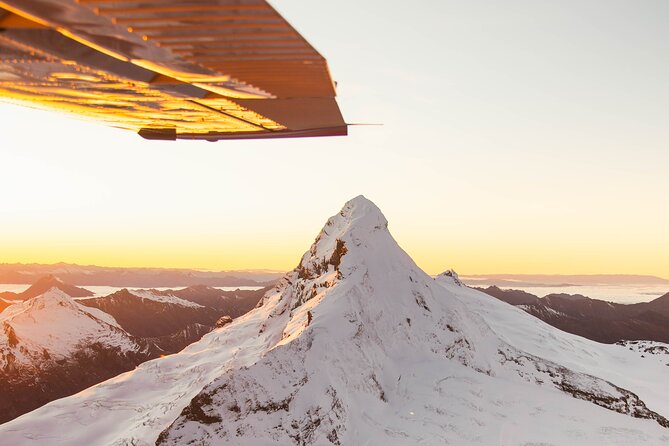
Dawn over the Southern Alps is magic—especially from the air. This Queenstown sunrise glacier flight is built around one simple idea: catch the sun break from behind Mt. Aspiring for clear, dramatic views, then glide over ice formations that have barely changed for thousands of years. It’s a small, early-day experience that feels more like a quiet moment than a sightseeing chore.
What I like most is the combination of big peaks and specific glacier names you can actually picture: the Passchendaele Icefall, Bonar Glacier, and the Olivine Ice Plateau. I also like how smoothly the experience is set up on the ground, with real support from Glenorchy Air staff such as Ancy, Dana, and Nat, and clear, professional pilot-led commentary that can help you get your bearings fast.
One thing to consider: this is a weather-dependent flight. If skies don’t cooperate, you may need to change dates or get a refund—so keep some flexibility in your Queenstown schedule.
In This Review
- Key highlights you’ll care about
- Why a Queenstown sunrise glacier flight feels different
- Getting there: Glenorchy Air at Queenstown Airport
- The sunrise flight plan over Mt. Aspiring
- The glacier route: Passchendaele Icefall, Bonar Glacier, Olivine Ice Plateau
- Over Mt. Aspiring National Park: Barrier Range and Arawhata River head
- What the flight feels like in the cabin
- Photo and timing tips for the best results
- Price and value: is $303.46 per person worth it?
- Who should book this sunrise glacier flight
- Quick note on weather and rescheduling
- Should you book the Queenstown Sunrise Glacier Scenic Flight?
- FAQ
- How long is the Queenstown Sunrise Glacier Scenic Flight?
- Where do I meet for the flight?
- What can I see during the flight?
- How many people are on the flight?
- Is good weather required?
- What happens if the flight is canceled due to poor weather?
Key highlights you’ll care about
- Sunbreak timing behind Mt. Aspiring for that first light effect
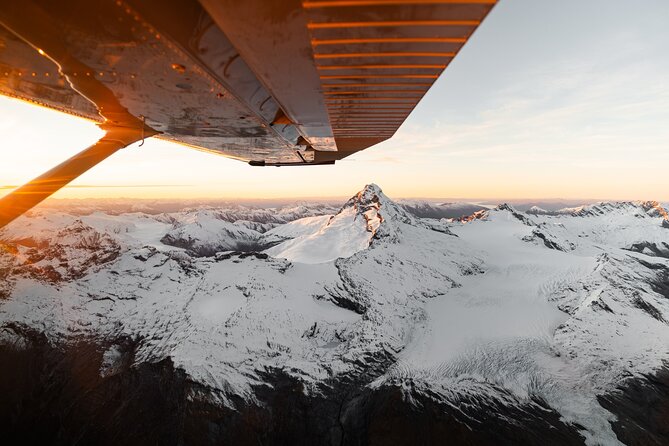
- Glacier set pieces including Passchendaele Icefall, Bonar Glacier, and Olivine Ice Plateau
- Freeze-in-time feeling as you pass above formations thought to resemble how they looked for about 15,000 years
- Mt. Aspiring National Park route with views over the Barrier Range and the head of the Arawhata River
- Small group size (max 12) so it stays calm and not chaotic
- Photo-friendly sunrise light with guided commentary from the cockpit
Why a Queenstown sunrise glacier flight feels different
Queenstown is packed with scenic options, but a sunrise fixed-wing flight hits a different nerve. You’re not chasing crowds or rushing between lookouts. You’re watching the start of the day—light creeping over the mountains—while the terrain stays still below you.
This one is interesting because it’s built around a very specific visual payoff: the sun breaking from behind Mt. Aspiring (New Zealand’s highest peak outside of the Aoraki/Mt. Cook region). That matters, because sunrise views are often hit-or-miss; having a planned route that’s designed for that moment is where the value comes from.
The other standout is that you’re not flying to vague “scenery.” You’re flying over named glacier features—Passchendaele Icefall, Bonar Glacier, and Olivine Ice Plateau. When you can put names to what you’re seeing, you feel like you’re understanding the place instead of just passing over it.
Other scenic flights and alpine heli-landings over the peaks
- Milford Sound Small Group Tour from Queenstown with Scenic Flight
★ 5.0 · 324 reviews - Queenstown: Pilot’s Choice Helicopter Tour & Alpine Landing
★ 4.9 · 291 reviews - Glacier Explorer & Earnslaw Burn Helicopter Flight
★ 4.9 · 202 reviews - Half-Day Milford Helicopter Flight and Cruise from Queenstown
★ 5.0 · 173 reviews
Getting there: Glenorchy Air at Queenstown Airport
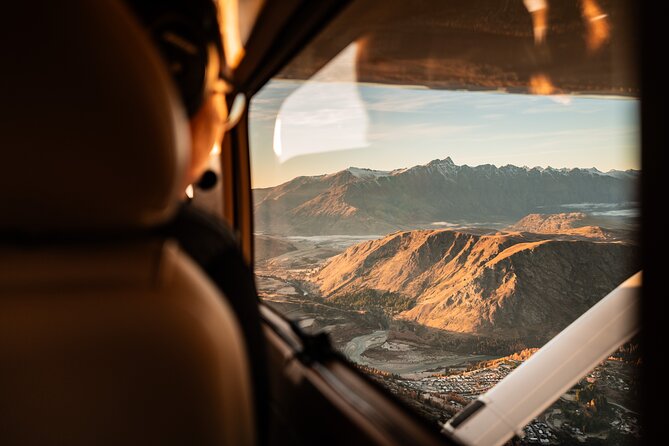
Plan for a smooth start at Glenorchy Air, Queenstown Airport (Terminal Building) on Sir Henry Wigley Drive in Frankton. This is a major transport hub, so getting in and out is straightforward compared with remote meeting points.
You’ll receive confirmation at booking time, and you’ll use a mobile ticket. That’s handy if you’re already living out of your phone—less paper, less fuss. With the group capped at 12 people, the check-in rhythm tends to feel orderly, not like a cattle call.
What you should do: arrive early enough to settle and listen. Sunrise flights can feel time-compressed, and the flight experience works best when you’re ready to pay attention the moment you’re in the air. If you want good photos, this is also when you’ll want to get your camera settings sorted before takeoff.
The sunrise flight plan over Mt. Aspiring
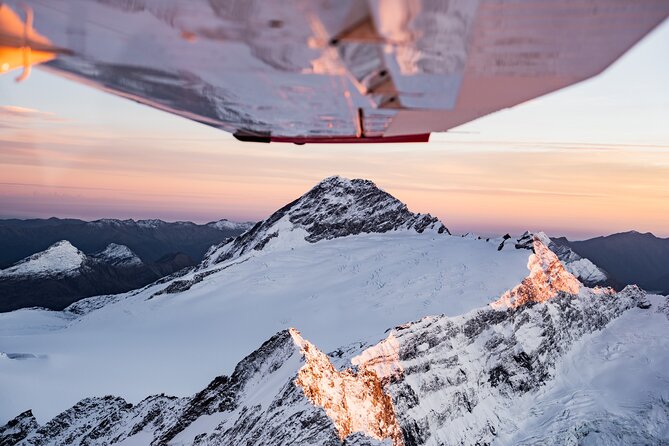
The main event is a flight that takes you past Mt. Aspiring at sunrise. This is one of those places where timing is the whole story. At first light, the snow and ice catch highlights differently, and the mountain’s shape gets sharper as shadows stretch.
You can expect the kind of views that make you pause—big, high-contrast scenery with the sense that the world is waking up around you. The description of the experience focuses on a calm, almost meditative feeling. That tracks with what sunrise flights usually do: fewer people, softer light, and less noise in the landscape.
There’s also something smart about flying fixed-wing for this moment. Compared with smaller aircraft experiences that can feel more “bumpy and chaotic,” fixed-wing routes are typically smoother and more stable. That stability is what helps you keep your eyes on the horizon and not fight the ride just to enjoy the view.
The glacier route: Passchendaele Icefall, Bonar Glacier, Olivine Ice Plateau
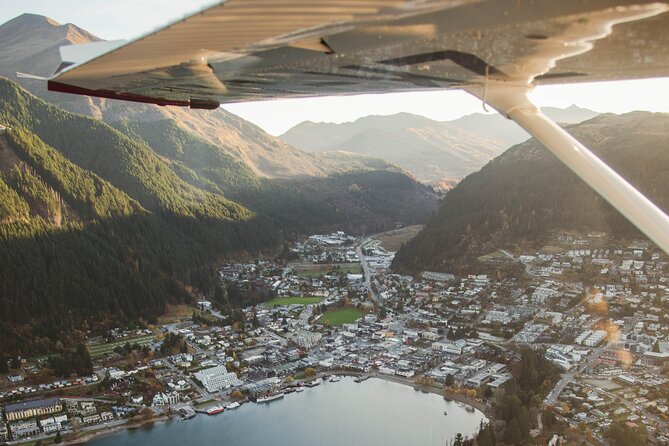
Here’s where the flight earns its glacier name. You’re set up to see a chain of dramatic ice features that look strikingly different from an ordinary mountain viewpoint.
Passchendaele Icefall is the headline for people who love glaciers because icefalls are all about motion and structure. From the air, the angles and ridges can look almost architectural—like you’re seeing a frozen river mid-flow.
Bonar Glacier is another key moment. Glaciers can be hard to “read” from the ground because they sprawl and blend into the terrain. From above, you’re better able to understand shape and scale, which is a big part of why this flight feels educational without needing a classroom.
Then there’s the Olivine Ice Plateau. Plateaus don’t feel as dramatic as icefalls at a quick glance, but they can be just as jaw-dropping from the cockpit window. A plateau view gives you a wider sense of the ice field as a surface—something vast and flat that changes the way you imagine the region.
One more detail that adds weight to these views: the experience talks about passing above places frozen in time that still resemble conditions from about 15,000 years ago. Even if you don’t get hung up on exact timelines, it helps you understand the scale of how long these formations have shaped the land.
Other runs out along the road to Glenorchy and Paradise




Over Mt. Aspiring National Park: Barrier Range and Arawhata River head
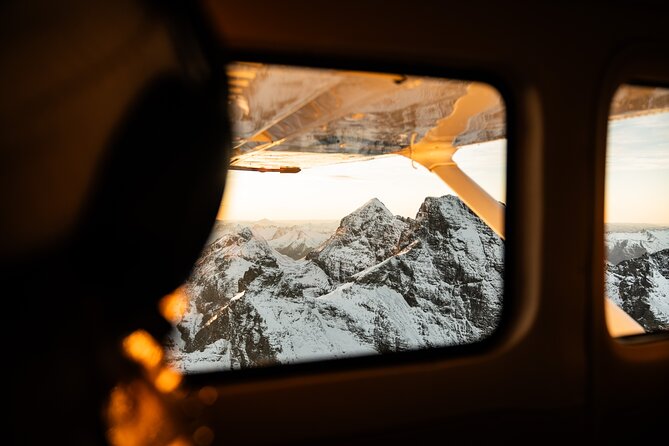
After the glacier sequence, the flight continues with views above Mt. Aspiring National Park. This is valuable because it turns the flight from a “peak and ice” sightseeing loop into something broader: you see how ice, mountain ranges, and river systems relate to each other.
The Barrier Range is mentioned as part of the route, and seeing it from the air gives you a clearer sense of the range’s shape and spacing—how it forms walls and channels in the landscape.
You’ll also get a look at the head of the Arawhata River. River heads can be hard to interpret on the ground unless you’re already hiking with local knowledge. From above, you start to see how water begins its journey, then threads through valleys. It’s the kind of perspective that makes you rethink what you thought you knew about “river” geography.
This section is also where the calm feeling really lands. When the scenery keeps rolling, and the sun is up but still low, the flight becomes less like checking boxes and more like appreciating a living system under ice and rock.
What the flight feels like in the cabin
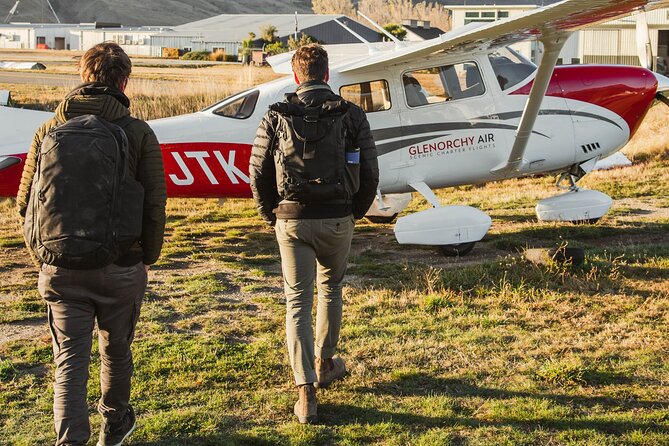
The experience is about 2 hours (approx.), which is a smart length for sunrise flying. Long enough to get meaningful views over the key features, short enough that you’re not mentally drained by the early start.
The group size matters here. With a maximum of 12 travelers, it tends to feel personal, and you’re not stuck in a noisy line of people trying to point out the same peak.
The flight is also pilot-led in a practical way. Past participants have praised specific pilots for professionalism and commentary—names like Joseph and Will come up, with Joseph described as professional and knowledgeable and Will noted for humor and local context. You shouldn’t expect the exact same commentary on every date, but you can reasonably expect a calm, confident approach from the cockpit crew.
If you get motion-sensitive, you’ll still want to plan for light aircraft conditions, but the flight being short helps. And because the day is about sunrise, you’ll likely spend most of your attention looking outside rather than dealing with entertainment.
Photo and timing tips for the best results
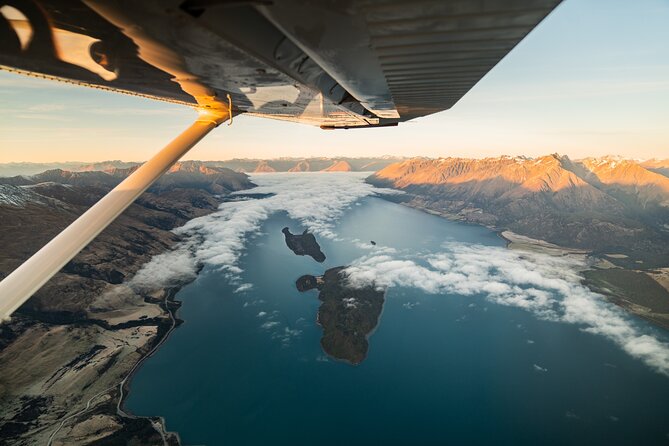
Sunrise flights are built for the light shift, but you still need to help yourself get the shots. The biggest tip is simple: think like a window is part of your camera setup. Plan for reflections on the glass and try different angles before you commit to one framing.
Also, treat your phone/camera battery like it’s on a countdown. Cold morning air can drain devices faster than you’d expect. Bring a charged backup if you’re doing lots of video.
When the sunbreak happens behind Mt. Aspiring, the contrast can jump quickly—dark mountain texture in the shadow, then bright highlights as the sun hits the snow and ice. That’s the moment you’ll want your camera ready, but it also helps to remember you’re not just taking photos. You’re learning the shape of glaciers from above.
Finally, don’t fixate on one perfect shot. The best sunrise viewing often comes in waves: the mountain reveal, then the glacier textures, then the broader national park panorama.
Price and value: is $303.46 per person worth it?
At $303.46 per person, this isn’t the cheapest way to see Queenstown’s Southern Alps. But value here isn’t about volume. It’s about access to a precise moment and a precise route.
Consider what you’re paying for:
- A fixed-wing sunrise flight timed for the Mt. Aspiring sunbreak
- Multiple named glacier and ice features seen from above
- A 2-hour experience that compresses a huge amount of scenery into one morning window
- A small group setup (max 12), which keeps the vibe calmer than bigger tours
If you’re already planning a flight day in Queenstown, this can be a strong choice because it offers variety you can’t fully replicate from viewpoints. You can hike or drive to scenic spots, but you can’t easily recreate the “overhead comprehension” you get when you look down at icefalls, plateau surfaces, and river heads in the same flight.
If you’re on a tight budget, you might prefer ground-based scenic stops. But if sunrise is a priority for your trip and you want glacier views that feel specific and understandable, this price starts to make sense.
Who should book this sunrise glacier flight
This is a great fit if you:
- Want a calm, special morning in Queenstown, not a long day of logistics
- Care about glaciers and want to see more than generic mountain views
- Enjoy photography and want sunrise light that’s built into the route
- Prefer a small group experience with professional, cockpit-guided context
It may not be the best fit if you:
- Hate early mornings and can’t handle timetable pressure
- Are the type who gets frustrated when weather changes plans
- Only want short, flexible sightseeing with no risk of rescheduling
Quick note on weather and rescheduling
This activity requires good weather. If it’s canceled due to poor conditions, you’ll either be offered a different date or receive a full refund. Also, there’s a stated minimum number of travelers; if that minimum isn’t met, you’ll be offered a different date/experience or a refund.
That’s not a reason not to book—it’s a reason to keep your Queenstown calendar a little forgiving. Sunrise flights are worth it when you can give them a fair chance.
Should you book the Queenstown Sunrise Glacier Scenic Flight?
I’d book this if sunrise is high on your “must do” list and you want glacier scenery that feels specific, not vague. The route is designed around a real visual payoff—sunlight breaking behind Mt. Aspiring—and you get a focused set of glacier landmarks in a relatively short 2-hour window.
Skip it (or downgrade expectations) if you need guaranteed views in all weather. This is the kind of experience that becomes fantastic when skies cooperate, and frustrating when they don’t.
If you’re deciding, use this rule: if you’re willing to play the weather game for one morning, this flight gives you a rare perspective on the Southern Alps that you simply can’t match from the ground.
FAQ
How long is the Queenstown Sunrise Glacier Scenic Flight?
The flight lasts about 2 hours.
Where do I meet for the flight?
You meet at Glenorchy Air, Queenstown Airport, in the Terminal Building on Sir Henry Wigley Drive, Frankton, Queenstown.
What can I see during the flight?
You’ll fly by Mt. Aspiring at sunrise and take in views of the Passchendaele Icefall, Bonar Glacier, and the Olivine Ice Plateau, plus parts of Mt. Aspiring National Park, including the Barrier Range and the head of the Arawhata River.
How many people are on the flight?
The maximum group size is 12 travelers.
Is good weather required?
Yes. The experience requires good weather.
What happens if the flight is canceled due to poor weather?
If it’s canceled because of poor weather, you’ll be offered a different date or a full refund.
The Road to Glenorchy Goes On
- Dart River Jet Boat and Wilderness Experience★ 5.0 · 531 reviews
- From Queenstown: Lord Of The Rings Tour to Glenorchy★ 4.9 · 432 reviews
- Glenorchy & Paradise Half-Day Scenic Tour from Queenstown★ 5.0 · 397 reviews
- Dart River Canoe and Jet Boat Experience from Queenstown★ 5.0 · 342 reviews
More Time Over the Peaks
- Milford Sound Small Group Tour from Queenstown with Scenic Flight★ 5.0 · 324 reviews
- Queenstown: Pilot’s Choice Helicopter Tour & Alpine Landing★ 4.9 · 291 reviews
- Glacier Explorer & Earnslaw Burn Helicopter Flight★ 4.9 · 202 reviews
- Half-Day Milford Helicopter Flight and Cruise from Queenstown★ 5.0 · 173 reviews
Fresh on the Queenstown pages

Alpine Flights & Heli-Landings, compared.
 ★ 5.0Milford Sound Small Group Tour from Queenstown with Scenic FlightFrom $557324 reviews
 ★ 4.9Pilot’s Choice Helicopter Tour & Alpine LandingFrom $230291 reviews
 ★ 4.9Glacier Explorer & Earnslaw Burn Helicopter FlightFrom $408202 reviews
 ★ 5.0Half-Day Milford Helicopter Flight and Cruise from QueenstownFrom $887173 reviews
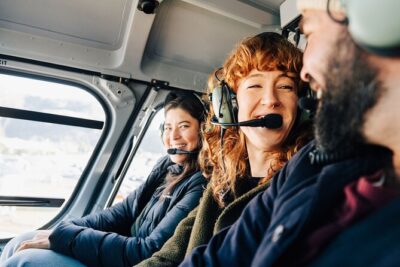 ★ 5.0Pilot’s Choice Helicopter Flight with alpine landingFrom $245168 reviews
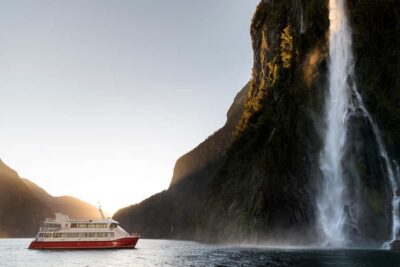 ★ 4.9Milford Sound Cruise & Helicopter Alpine TourFrom $786165 reviews
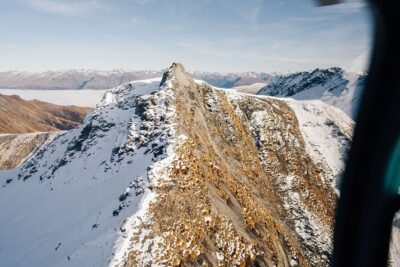 ★ 5.0Southern Glacier 50-Minute Helicopter FlightFrom $547123 reviews
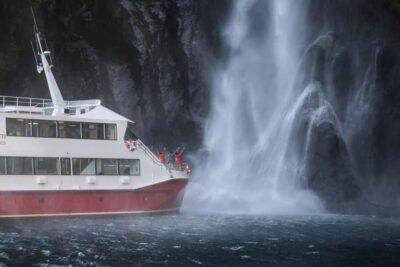 ★ 4.7Milford Sound Coach, Cruise, Scenic FlightFrom $465113 reviews
Browse the lists this tour appears in