Review · QUEENSTOWN
Kiwi Park Queenstown Admission
Kiwi Park is one of the easiest ways to see New Zealand wildlife up close. You get a proper kiwi night encounter in a darkened viewing space, plus plenty of other native birds on well-kept paths in central Queenstown. The whole setup is built for real viewing, not just a quick stop.
What I like most is the mix: a free audio tour helps you move at your pace, and the daily keeper programs give context for what you’re seeing. One caution: the kiwi enclosure is intentionally dim, so if you want bright, nonstop action, the experience can feel slow at first while your eyes adjust.
In This Review
- Key things to know before you go
- Kiwi Park in Central Queenstown: a smart indoor-outdoor wildlife break
- Getting there and timing your day around the scheduled shows
- The New Zealand Conservation Show: birds fly free in a netted setting
- Kiwi Encounters: how the dark enclosure works (and how to see more)
- Tuatara Encounter: the prehistoric-lizard moment
- Walking the native bush: trout streams and conservation in action
- Food, gifts, and small comforts that keep the visit easy
- Price and value: does $39.72 make sense?
- Who should book Kiwi Park Queenstown—and who should adjust expectations
- Should you book Kiwi Park? My practical take
- FAQ
- How long does the Kiwi Park Queenstown visit take?
- Is the admission ticket valid for the whole day?
- What’s included with admission?
- Do I need to book the kiwi viewing in advance?
- What times do Kiwi Encounters run?
- What are the Conservation Show times?
- Is hotel pickup or drop-off included?
- What’s the cancellation policy?
Key things to know before you go
- All-day admission means you can pick your moment for the shows instead of rushing.
- Free audio guide lets you explore independently and in multiple languages.
- Conservation Show birds fly free in a netted outdoor area during scheduled times.
- Tuatara Encounter gives you a close look at a prehistoric-looking lizard.
- Kiwi viewing happens in darkness on purpose, so plan for patience (and quiet).
Kiwi Park in Central Queenstown: a smart indoor-outdoor wildlife break
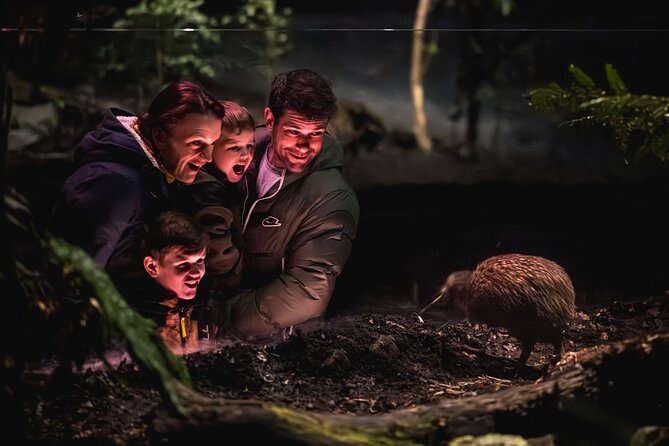
Kiwi Park Queenstown sits right in the middle of town, near the Gondola/Skyline area. That matters because Queenstown days can swing from sunny to sideways-weather fast. Kiwi Park gives you a nature fix without needing a long drive or a tour bus shuffle.
You’re visiting a small park—about 5 acres (2 hectares)—but it’s laid out for a focused wildlife experience. The grounds are native bush, the paths make a loop through exhibits and walking areas, and the big ticket moments are scheduled: a conservation show and timed kiwi viewing sessions. In practice, that makes it easy to plan around your other Queenstown plans.
With admission valid for the entire day, you don’t have to hit every program back-to-back. Many visitors do about 2 to 3 hours, which is enough time to see the highlights without feeling rushed, especially if you’re not trying to photograph every bird.
If you’re traveling with kids, this park has a nice pace: the audio works for children too, and the animals are close enough to feel real. If you’re traveling solo or as a couple, the self-guided format helps you slow down and take in the conservation message instead of treating it like a check-the-box stop.
Still mapping out your Queenstown days? Here are more trips we have written up.
- Queenstown: Walter Peak Gourmet BBQ & Lake Whakatipu Cruise
★ 4.8 · 2,713 reviews - Queenstown: Milford Sound Coach & Cruise Full-Day Trip
★ 4.7 · 2,592 reviews - Shotover River Extreme Jet Boat Ride in Queenstown
★ 5.0 · 2,540 reviews - Small Group, Award Winning Milford Sound Day Experience & Cruise
★ 5.0 · 2,416 reviews
Getting there and timing your day around the scheduled shows
Opening hours run 9:30 AM to 5:30 PM daily. The park is set up so you can arrive, get oriented, and then choose when to do the main programs.
A key detail: kiwi viewing is offered multiple times daily, and the nocturnal experience depends on your scheduled session. So you’ll want to look at the timings for Kiwi Encounters and match your visit to one of them.
Here’s the seasonal rhythm:
- Kiwi Encounters (Oct–Apr): 10am, 11am, 12:15pm, 1pm, 2:15pm, 3pm, 4:15pm, 5pm
- Kiwi Encounters (May–Sep): 10am, 11am, 12:15pm, 1pm, 2pm, 3:45pm, 4:43pm
And the Conservation Show runs:
- 11:30am, 1:30pm, 3:30pm (Oct–Apr)
- 11:30am & 3pm (Apr–Sep) (seasonal variation applies)
If you want a smooth flow, I’d plan to start with the Conservation Show and then move to kiwi viewing after. The show gives you the big-picture why, and that makes the kiwi enclosure feel more meaningful when you enter.
Also, don’t show up, grab a snack, and only then remember your kiwi session. Build in time to find the right entrance area, adjust to the park layout, and give yourself a moment to settle before the main kiwi viewing.
The New Zealand Conservation Show: birds fly free in a netted setting
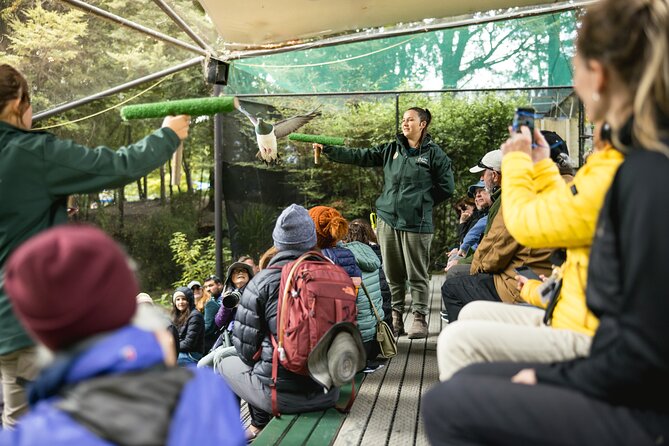
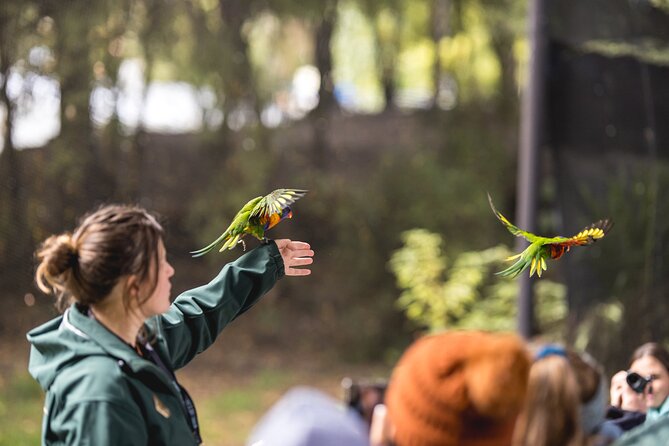
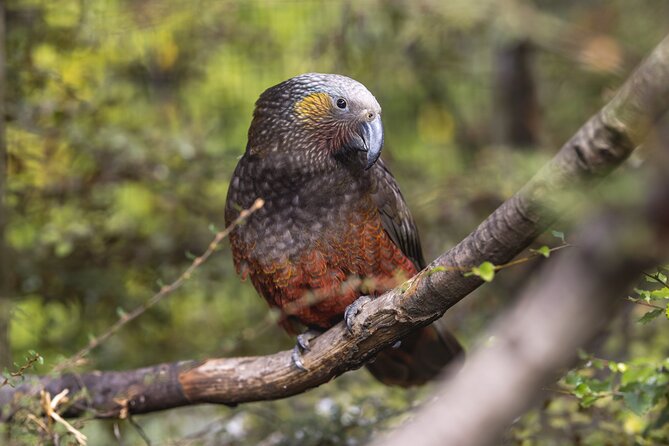
This is the heart of the daytime programming. The Conservation Show happens in an outdoor area enclosed in netting, so you get that wow-factor moment—birds can fly free while still staying within the safe boundary of the park.
During the show, you may see birds such as:
- kakāriki (a type of parakeet)
- kererū (a New Zealand pigeon)
You also get keeper-style education about other native species connected to conservation work. The show can include birds such as pāteke (a type of duck), buff weka (a flightless bird), and Antipodes Island parakeets. If you’re a bird lover, it’s the part of the visit where the park helps you identify what you’re looking at and why it matters.
There are also birds of prey for an up-close look. That’s one of the best ways to understand size, posture, and hunting adaptations—things that don’t come across as well from a photo.
Most sessions are held a couple times daily, sometimes three depending on the season. If you’re working with limited time, choose a show that lines up with your schedule, then build your kiwi session around it. Going in knowing that the show is staged but still natural-feeling helps you enjoy it for what it is: conservation education with real animals in real behavior.
Kiwi Encounters: how the dark enclosure works (and how to see more)
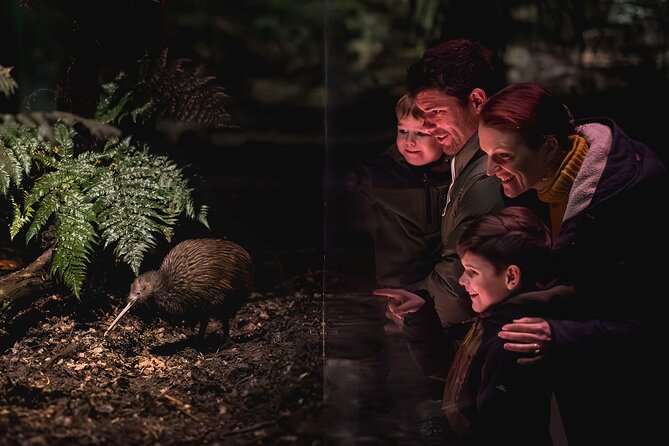
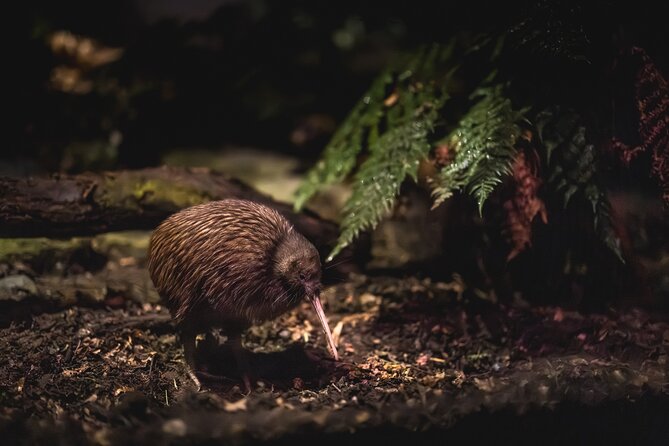
This is what most people come for: the Kiwi Encounters experience in specially designed nocturnal enclosures.
Kiwis are nocturnal by nature, and the park mimics that environment with a deliberately dark viewing space. That’s the trade-off. You’re not watching a bright, sunlit animal like you might at a daytime zoo exhibit. You’re experiencing kiwi behavior as it would happen after dark.
Here’s what you can expect:
- Kiwi viewing in a nocturnal-style setup
- Kiwi feedings during the viewing session
- Information about underground burrows and why kiwis sleep during daylight hours
- A chance to spot the birds moving and hunting for food in the dark
A practical tip that makes a big difference: when you enter, give your eyes time to adjust. Several visitors point out that the kiwi enclosure can look extremely dark at first, and you might initially see only an outline or shadow as your eyes adapt. That’s not a failure of the viewing—it’s part of how the exhibit is designed.
If you want the best odds of actually seeing kiwis:
- Go at the start of your viewing window (not minutes before the end).
- Keep noise down near the kiwi viewing area. The darker it is, the more behavior you notice when everyone behaves calmly.
- Skip flash photography. You’re competing with both the lighting and the animal’s preference for low light.
There’s also a feeling of accomplishment when you finally see one clearly. It’s one of those rare wildlife moments that feels personal—not because the park tries to be theatrical, but because you’re truly observing an animal that most people never get to see.





Tuatara Encounter: the prehistoric-lizard moment
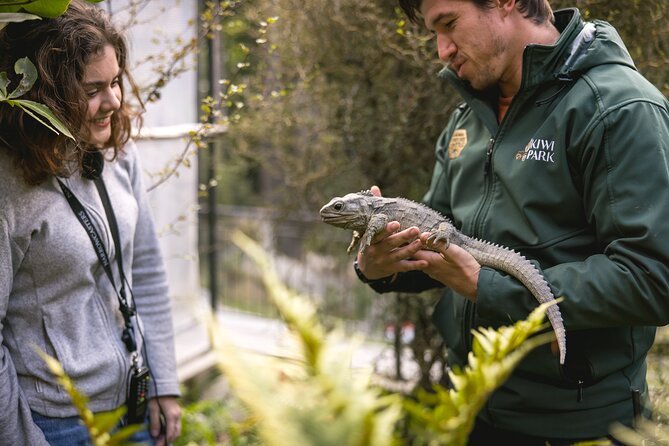
Between the bird parts, you’ll get a chance to meet a tuatara—a prehistoric lizard often referred to as a living dinosaur.
The Tuatara Encounter is short, but it’s memorable because it breaks up the visit. If you’re traveling with kids, tuatara are the kind of animal that creates instant curiosity: the body shape, the texture, and the fact that it looks unlike most common lizards.
If you’re a serious wildlife nerd, it’s a good reminder that New Zealand conservation isn’t only about birds. This park treats reptile conservation as part of the same bigger story.
Walking the native bush: trout streams and conservation in action
After (or before) the shows, plan time for a slower walk through the park exhibits and nature areas.
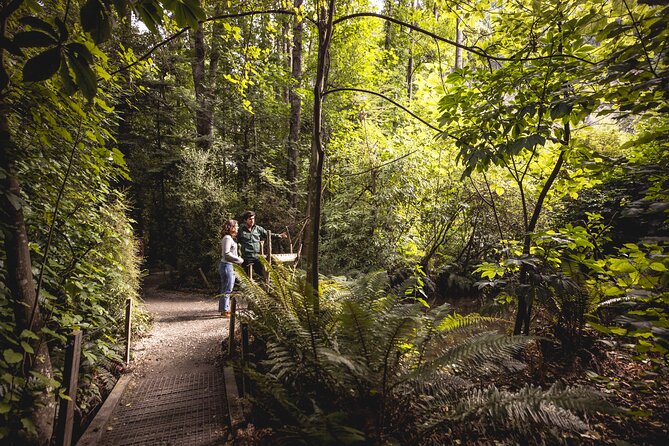
One area to look for is a forest walk past trout-filled streams, paired with explanations of the park’s conservation efforts. You’ll hear about:
- Rehabilitation of injured wildlife
- Breeding kiwis for release back into the wild
- How the park supports the survival of threatened native species
Even if you’re not reading every sign, the walking loop changes the mood of the visit. It turns it from a set of “watch this, then move on” moments into something closer to a guided stroll through native habitat.
One note: the park has some paths that can be steep in places, so if you have mobility limits, wear grippy shoes and take your time. Comfortable footwear is a must for this kind of walking—especially in weather that can change quickly in Queenstown.
Food, gifts, and small comforts that keep the visit easy
Kiwi Park isn’t just exhibits. It’s also set up for a smooth afternoon stop.
You’ll find a cafe where you can grab a cup of tea or a bite to eat, plus gift options like a honey shop. Those aren’t essential, but they make it easier to turn a 2-hour visit into a relaxed half-day without feeling like you need to escape immediately for food.
When the weather is cold or rainy, those comforts matter. A planned wildlife stop can otherwise feel like you’re rushing through damp paths. Kiwi Park lets you stay a bit longer without turning the day into a slog.
Price and value: does $39.72 make sense?
At $39.72 per person, you’re paying for a focused experience with a few built-in included elements:
- Audio guide
- Kiwi viewing
- Conservation Show
The value here is mostly about concentration. You’re not paying to see a single animal in a hurry. You’re paying for a day ticket in a compact park where the main moments are included and scheduled. The audio tour reduces guesswork and helps you understand what you’re seeing without needing to book a separate guided component.
It can feel like great value if:
- You specifically want kiwi viewing in a controlled, designed setting.
- You like learning while you observe animals.
- You’re visiting on a rainy or cold day and want something in central town.
It can feel less great if:
- You’re expecting a large park adventure with lots of different animal encounters at every turn.
- You’re mainly looking for bright, daytime animal viewing. Because the kiwi enclosure is intentionally dark, the best experience comes from patience and quiet attention.
In short, the price is fair when you treat it like a conservation-focused wildlife visit, not a themed attraction.
Who should book Kiwi Park Queenstown—and who should adjust expectations
I’d book Kiwi Park if you fall into one of these groups:
- You want to see kiwis without doing an overnight expedition or a long drive.
- You enjoy native wildlife and want the conservation context tied to what you’re seeing.
- You’re traveling with kids who do well with short programs and hands-on animal moments.
- You need a flexible, central activity that works even when the weather isn’t cooperating.
I’d adjust expectations if:
- You’re very mobility limited. The park can involve walking on some steeper paths.
- You need constant brightness and action. The kiwi experience depends on dark viewing and patience.
- You only want a quick look at kiwi and nothing else. The park has multiple animal areas and conservation messaging, so it’s more enjoyable when you’re willing to linger.
Should you book Kiwi Park? My practical take
If seeing kiwis is on your New Zealand list, this is one of the most straightforward ways to do it in Queenstown, and the park gives you the right tools to make it work: a timed kiwi viewing session, a free audio guide, and keeper programming that puts behavior into context.
My advice is simple:
- Plan for 2 to 3 hours.
- Choose one Conservation Show session and one Kiwi Encounters time you’ll actually make.
- Go in knowing the kiwi enclosure is dark on purpose, and give your eyes a minute to adjust.
Book it if you want authentic wildlife viewing close to the action of central Queenstown. Skip (or pair with something else) if you’re looking for a big outdoor hike or constant daytime animal spotting.
FAQ
How long does the Kiwi Park Queenstown visit take?
Most visits run about 2 to 3 hours.
Is the admission ticket valid for the whole day?
Yes. Your admission ticket is valid for the entire day, so you can explore at your own pace and return later for a scheduled kiwi viewing time.
What’s included with admission?
Admission includes a complimentary audio tour, kiwi viewing, and entry to the conservation show.
Do I need to book the kiwi viewing in advance?
You’ll want to match your visit to the scheduled Kiwi Encounters times listed for your season.
What times do Kiwi Encounters run?
For Oct to Apr: 10am, 11am, 12:15pm, 1pm, 2:15pm, 3pm, 4:15pm, 5pm.
For May to Sep: 10am, 11am, 12:15pm, 1pm, 2pm, 3:45pm, 4:43pm.
What are the Conservation Show times?
In Oct to Apr, the show is typically 11:30am, 1:30pm, and 3:30pm. In April to Sep, it’s typically 11:30am and 3pm.
Is hotel pickup or drop-off included?
No. Hotel pickup and drop-off are not included.
What’s the cancellation policy?
Free cancellation is available up to 24 hours in advance for a full refund. Changes inside 24 hours aren’t accepted, and refunds won’t apply.