
Review · CENTRAL OTAGO WINE TOURS
Bike The Wineries (3/4 Day) – Ride Through Queenstown Vineyards
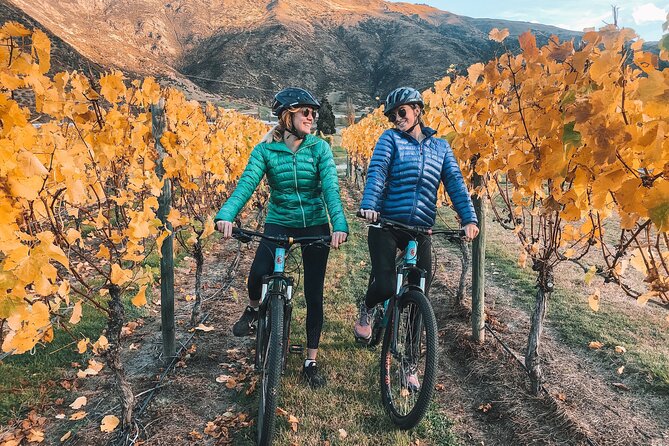
Wine country, but on two wheels. This is a self-guided bike ride from Queenstown into Gibbston Valley, with an easy trail route, transfers, and a winery map so you can choose how many stops to make.
What I like most is the freedom: you’re not trapped with a fixed tasting order. You can linger where you want and skip what doesn’t click for you.
The one thing to plan for is that the cycling can feel tougher than “easy” once you’re committed to the full back-and-forth, so I’d think about bike choice (and pacing) before you roll.
In This Review
- Key things I’d plan around
- First stop: the ride setup at Queenstown’s Arrow Junction
- Following the rivers: the most scenic part of the ride
- The Kawarau Suspension Bridge: the world’s first bungy moment
- Gibbston Valley at your pace: using the wine map like a pro
- The cellar doors you’ll likely want to target
- Gibbston Valley Winery: the big-name tasting stop
- Kinross Winery: cellar door plus food options
- The Church Cellar Door and Cafe: history turned into a vibe
- Mt Rosa Wines: friendly hospitality focus
- Don’t forget: tastings and food are on you
- Bike choice: why electric bikes can save your tasting time
- Timing that makes sense for a 6.5-hour day
- Transfers and support: the comfort factor
- Price and value: what you’re paying for
- Who this tour fits best
- Quick booking checklist before you commit
- Should you book Bike the Wineries in Queenstown?
- FAQ
- How long is the bike tour?
- How far do you bike?
- Are bikes and helmets included?
- Is there a guide biking with you?
- What wineries do you visit?
- What’s the minimum drinking age?
Key things I’d plan around
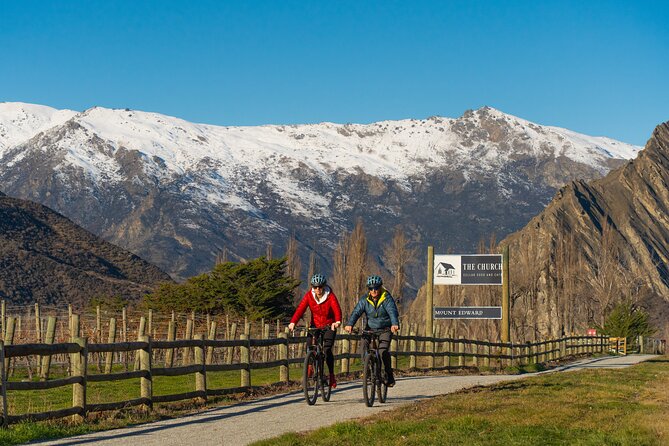
- A 17 km ride on easy rural trails along river routes and the iconic Kawarau Bridge area
- Free-choice wineries using a provided trail and winery map, with multiple cellar doors plus a brewery/tavern in the mix
- Transfers included to and from the bike trail, so you’re not doing extra logistics in town
- No guide riding with you, but support is available by phone for mechanical or navigation issues
- Optional convenience for wine purchases, with a pickup service listed for convenience
First stop: the ride setup at Queenstown’s Arrow Junction
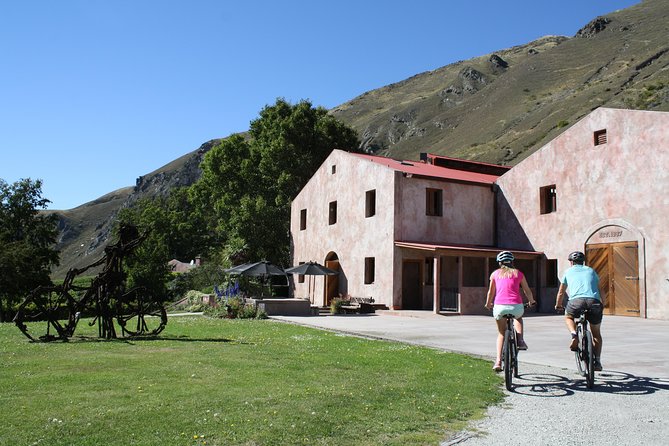
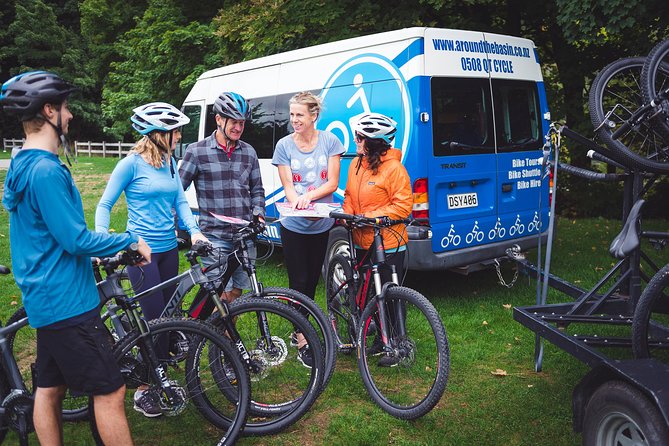
Your day starts at the meeting point in Queenstown (3 Searle Lane). From there, the experience is designed to keep things simple: you get your bike and helmet, then you ride out from the Arrow Junction area toward the Gibbston Valley trail connection.
That opening leg matters. You start with a shorter push along a bike trail before the route really begins to feel like a wine-country cycling day. It’s a smart way to get your legs moving without launching you straight into a full “long ride” feeling.
Also, you’re not rolling out with a crowd. Group size is capped at a maximum of 8 people per booking (with a stated overall maximum of 11 travelers for the activity). That helps the setup feel calm and it’s usually easier to ask questions before you head out.
More Central Otago cellar doors, from Gibbston to Bannockburn
- Boutique Wine Tour – visit Central Otago, 4 Wineries & Lunch
★ 5.0 · 673 reviews - Award Winning Premium Wine Tour Queenstown Tasting at 4 Wineries
★ 5.0 · 632 reviews - Queenstown: Afternoon Wine & Beer Tour with Platters
★ 5.0 · 363 reviews - Hop on Hop off Wine Tours Queenstown
★ 4.5 · 350 reviews
Following the rivers: the most scenic part of the ride
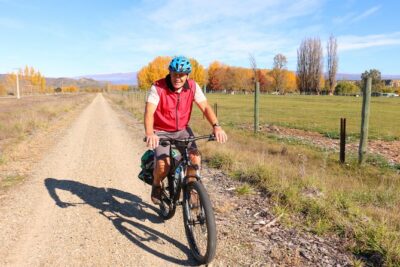
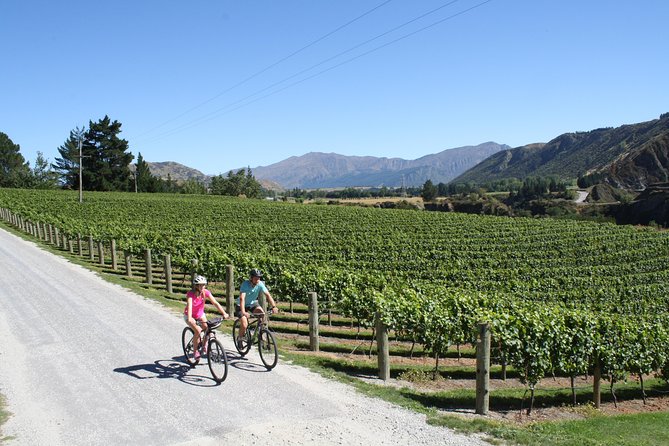
Once you’re on the route, you get a stretch that follows the Arrow and Kawarau River corridors. That’s the kind of riding I love on a trip like this: the terrain is meant to be approachable, and the scenery does the heavy lifting so you’re not constantly scanning the ground for what’s next.
You’re riding about 11 miles (17 km) total, and the tour frames it as an easy rural bike trail experience. In plain terms: if you’re a regular walker and you can ride a bike without fear, you’re in the right category. If you haven’t biked much lately, I’d still go—but keep your pacing realistic.
I also like that the route isn’t just “bike to bike.” You’re actively being moved through the wine region, and each connection point is a chance to reset your energy and keep the day fun.
The Kawarau Suspension Bridge: the world’s first bungy moment
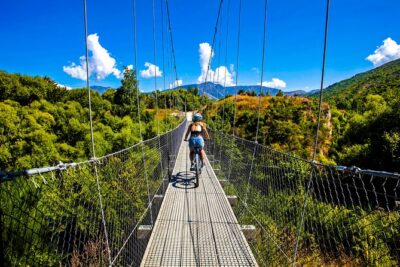
You’ll cross the historic Kawarau Bridge, which is closely tied to the origin story of commercial bungy jumping. Even if bungy isn’t your thing, the bridge area is a natural burst of energy during the day.
This stop is short—think about 15 minutes—so treat it like a quick highlight, not a long hangout. If you want photos, do them early. Once you start drifting, you can lose time without realizing it.
It’s also a good mental checkpoint: you pass the famous bridge, then you’re back to the “keep riding, keep tasting time” rhythm.
Gibbston Valley at your pace: using the wine map like a pro
This is where the tour really earns its value. You get a trail and winery map, and the whole point is that you go at your own pace.
Instead of a guide moving you from one tasting room to the next, you choose what to prioritize. That’s a big deal for wine days, because not every cellar door is your style—and your best afternoon is the one that matches your taste, not someone else’s schedule.
The region options include 7 wineries plus a brewery and tavern as part of the route experience. You may not hit them all (and you might not want to), but having options means your plan can flex based on:
- how long a tasting takes
- how much you feel like sitting in the sun
- how your legs are holding up after the cycling
A practical note: the bike portion tends to feel more “front-loaded,” and the wine portion more “back-loaded.” That pattern is easy to misjudge if you show up planning to sip everything first. I recommend you treat the cycling as your warm-up plus your travel time, then keep real breathing room for tastings once you’re in Gibbston.
More of the Queenstown Trail from the saddle

The cellar doors you’ll likely want to target
You’ll have time to explore the Gibbston Valley winery area, with several named stops along the way. Here are the ones built into the experience schedule.
Gibbston Valley Winery: the big-name tasting stop
One stop is Gibbston Valley Winery, listed as the largest winery in the Gibbston region. You can expect tastings, and this is also the place built for longer hangs, since it includes a full restaurant.
Time-wise, you’re typically given around 30 minutes at a stop like this. The upside is it’s a good “anchor” visit if you want a classic, organized tasting set-up. The drawback: larger wineries can feel less intimate, and they sometimes encourage you to move slower than you planned—which can steal minutes from smaller cellar doors.
Kinross Winery: cellar door plus food options
Next up is Kinross Winery, Cellar Door & Cottages. Like many Gibbston wineries, it’s a place where the tasting experience is the point, with a restaurant option also mentioned.
If you like a more relaxed cellar door feel, this kind of stop can work well in your plan. You can pair it with a shorter cycling break so you don’t feel rushed once you’re tasting.
The Church Cellar Door and Cafe: history turned into a vibe
A standout themed stop is The Church Cellar Door and Cafe. It’s described as an old church built in Wangaloa in 1894, relocated to Gibbston in the early 2000s.
Instead of sermons, it’s wine and good vibes. This is one of those places where the setting can make your tasting feel more like a hangout and less like a checklist item. It’s also a reminder that Gibbston does tastings in more than one style—some are about scale, some are about atmosphere.
Mt Rosa Wines: friendly hospitality focus
Finally, there’s Mt Rosa Wines, described as having a lovely setting, great hospitality, and delicious tastings.
This type of stop is perfect if you want your day to end on a warm note, with fewer “big winery” cues and more personal service. If your legs are tired, you’ll still enjoy it because the emphasis is on tasting quality and hospitality.
Don’t forget: tastings and food are on you
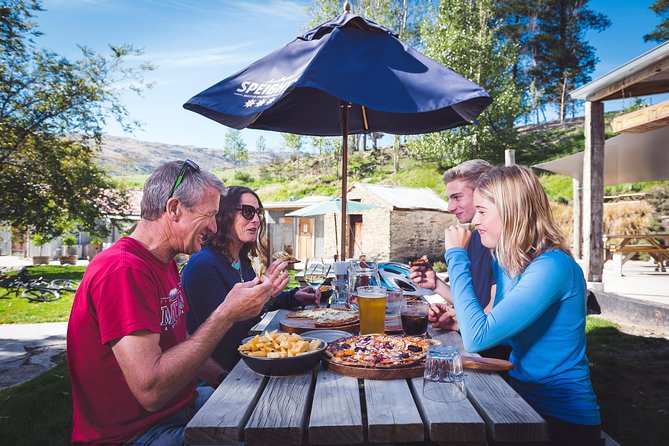
One important reality check: food and drinks are not included, and wine tastings are not included as part of the price.
That doesn’t make the day a bad deal. It just means you should budget like a wine day, not like a “bike tour with free tastings.” The tour value is in the bike, helmet, transfers, the trail and winery map, and the built-in route through a cluster of cellar doors.
So I’d treat the tastings like part of your entertainment budget. If you want more pours, plan to pay more. If you just want a couple tastings plus a nice glass, you’ll keep costs down and still feel like you did something special.
Bike choice: why electric bikes can save your tasting time
Here’s the honest part. Even with an easy rural bike trail, the cycling can still be intense depending on wind, your comfort level, and how hard you push early.
I’d take the hint from people who recommend electric bikes. One tip that keeps showing up is simple: without electric assist, the cycling can be more demanding than expected, and that can cut into the time you want for wine tasting.
If electric bikes are available for your booking, I strongly suggest you consider them—especially if you plan to do multiple tastings and you don’t want to arrive to the cellar doors feeling cooked.
If you stick with a regular bike, then pace like an adult. Keep the first part controlled. Save your energy for the tasting time you actually paid for.
Timing that makes sense for a 6.5-hour day
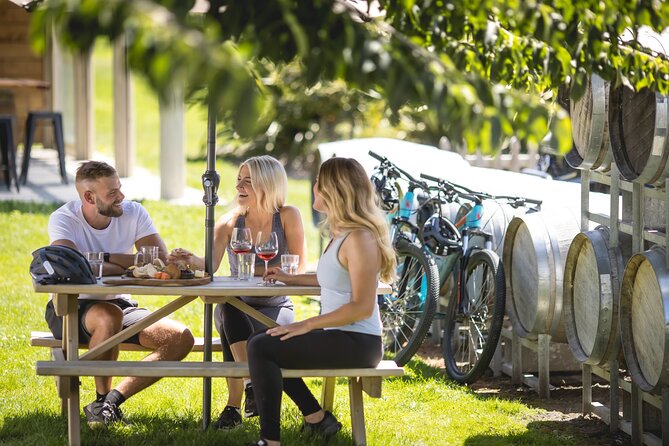
The total duration is about 6 hours 30 minutes (approx.). That’s long enough to get a real bike day and a meaningful wine experience, but it’s not a full “all day” where you can wander endlessly without consequences.
A smart way to think about it:
- Use the first segments to set rhythm, not to race.
- Treat bridge/photo time as planned minutes, not accidental detours.
- Once you’re in the wineries zone, slow down on purpose.
Because this is self-guided, your choices shape your timing more than anything. If you want more tastings, you’ll also want to accept you may not hit every option.
Transfers and support: the comfort factor
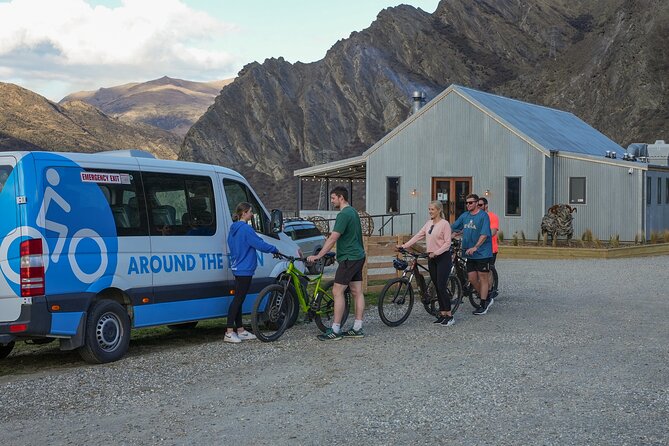
This tour includes transport to and from the bike trail from Queenstown. That’s a quiet quality-of-life win. You avoid the “how do we get everyone and the bikes where they need to be” problem.
You’ll also get support: there’s a phone line for mechanical or navigation issues. That matters because self-guided doesn’t mean you’re abandoned. It also helps you feel comfortable trying the day even if you’re not a biking navigator.
Price and value: what you’re paying for
At $68.26 per person, the price is easiest to judge by what’s included:
- bicycle and helmet
- transport to and from the trail
- a custom trail and winery map
- phone support
What you’re not paying for in that price:
- food and drinks
- wine tastings
So this is a value play for people who want the route experience plus freedom, and who are okay with paying for tasting stops directly.
If you were to rent bikes on your own, add transport, and then still need the map and wine routing, the tour can feel like a straightforward package. The real “win” is that you’re placed into the wine loop without doing extra homework.
Who this tour fits best
This experience is a great match if you want:
- a fun outdoor day with movement
- self-guided freedom to choose what to taste
- an approach that’s scenic without needing advanced cycling skills
- a day built around a specific wine region rather than scattered stops
It’s also ideal if you like the idea of a wine day where you can choose your vibe: big winery tasting, cozy church stop, or a more hospitality-forward cellar door.
You might want to think twice if you:
- hate the idea of biking first and tasting later
- expect tastings to be included
- aren’t comfortable cycling for a multi-hour block, even on easy trails
Quick booking checklist before you commit
If you do book, here’s how I’d set yourself up for a smoother day:
- Bring ID if you’ll be drinking, since the minimum drinking age is 18
- Plan your tasting budget because tastings aren’t included
- Consider electric assist if it’s offered, because cycling difficulty can surprise you
- Dress for outdoor time (layers help; wine days can change with the breeze)
- Set your own target number of stops so you don’t end up running behind
Should you book Bike the Wineries in Queenstown?
Yes, if you want a wine-country day with real freedom. The combination of transfers, a mapped route, and the option to choose your cellar doors is the main reason to book. You get a scenic river ride, a memorable Kawarau Bridge stop, and multiple wine settings without feeling trapped in a rigid schedule.
Think twice if you’re expecting fully guided tastings or if you’re sensitive about biking energy. The day can be more physical than a casual wine tour, and spending time at cellar doors means you’ll feel the time pressure if you bike too aggressively early.
If you want a cycling-and-wine day that feels like it belongs in Queenstown, this is one of the more practical ways to do it.
FAQ
How long is the bike tour?
It’s about 6 hours 30 minutes long (approx.).
How far do you bike?
You ride about 11 miles (17 kilometers).
Are bikes and helmets included?
Yes. Bike and helmet use are included.
Is there a guide biking with you?
No. It’s self-guided. A guide does not bike with you, though support is available by phone for mechanical or navigation issues.
What wineries do you visit?
You explore the Gibbston Valley wine region using a wine map, with options that include 7 wineries plus a brewery and tavern. Named stops include Gibbston Valley Winery, Kinross Winery, The Church Cellar Door and Cafe, and Mt Rosa Wines.
What’s the minimum drinking age?
The minimum drinking age is 18, and it’s recommended to bring ID.
More Four-Day Loops
- 4 Day Tour to Milford Sound, Mount Cook & More from Queenstown★ 5.0 · 3 reviews
More of the Queenstown Trail
- Queenstown ATV Quad Bike Adventure Tour★ 5.0 · 842 reviews
- Queenstown: Quad Biking Experience★ 4.9 · 436 reviews
- Otago Central Rail Trail One Day Wonder Cycle tour★ 5.0 · 300 reviews
- CHP Bike Rentals Cromwell★ 5.0 · 280 reviews
One More Cellar Door
- Boutique Wine Tour – visit Central Otago, 4 Wineries & Lunch★ 5.0 · 673 reviews
- Award Winning Premium Wine Tour Queenstown Tasting at 4 Wineries★ 5.0 · 632 reviews
- Queenstown: Afternoon Wine & Beer Tour with Platters★ 5.0 · 363 reviews
- Hop on Hop off Wine Tours Queenstown★ 4.5 · 350 reviews
Fresh on the Queenstown pages
Central Otago Wine Tours, compared.
 ★ 5.0Boutique Wine Tour – visit Central Otago, 4 Wineries & LunchFrom $173673 reviews
 ★ 5.0Award Winning Premium Wine Tour Queenstown Tasting at 4 WineriesFrom $164632 reviews
 ★ 5.0Afternoon Wine & Beer Tour with PlattersFrom $158363 reviews
 ★ 4.5Hop on Hop off Wine Tours Queenstown350 reviews
 ★ 5.0Gourmet Food and Wine Tour Queenstown All-Inclusive TourFrom $204332 reviews
 ★ 5.0Queenstown Wine TourFrom $61317 reviews
 ★ 4.9Wine & Food Tour, Scenic Tastings & Paired LunchFrom $132276 reviews
 ★ 5.0Queenstown Wine & Food Tour: Scenery, Tastings & Delicious Lunch!From $154257 reviews
Browse the lists this tour appears in